Peptide Encyclopedia
Every compound in the reference — sequence, mechanism, half-life and the peer-reviewed studies behind it. 129 profiles, 115 with cited research.
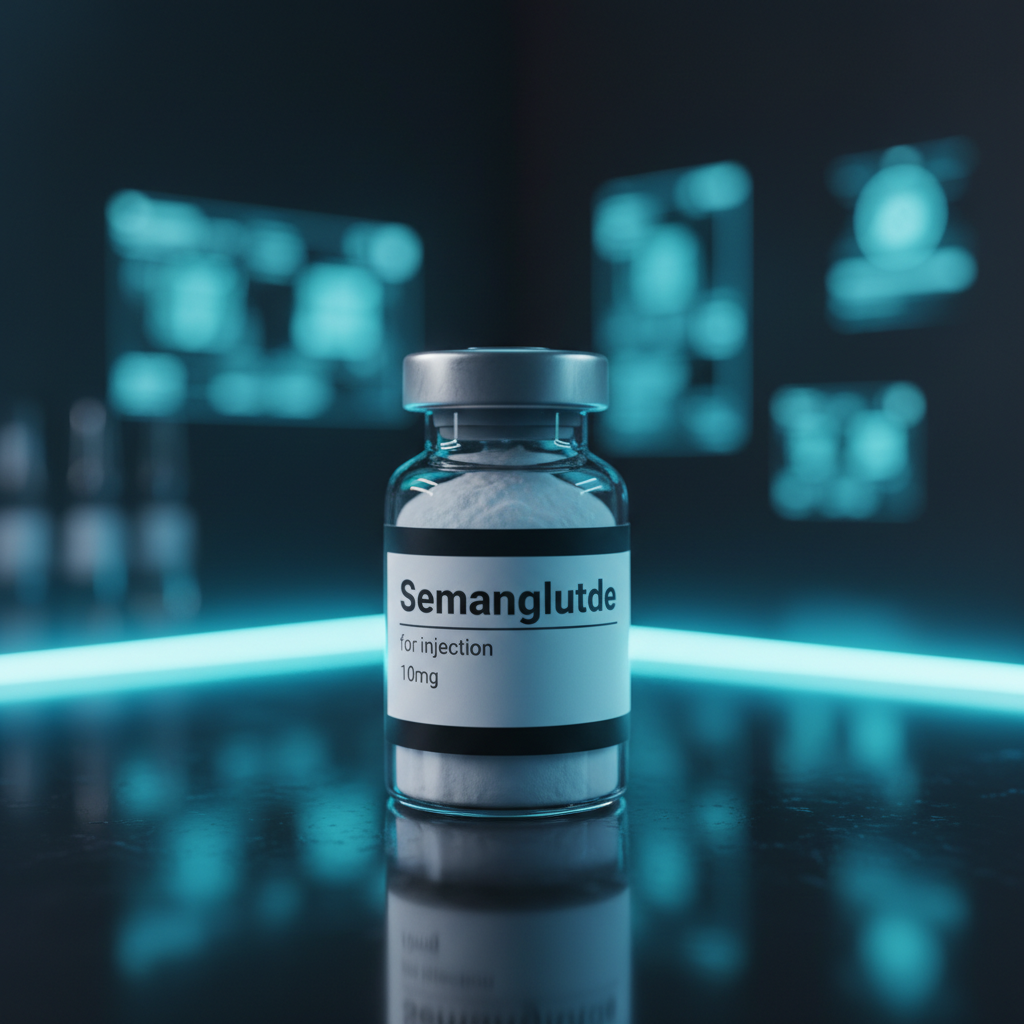
Semaglutide
#001GLP-1 Receptor Agonist
A long-acting GLP-1 analog distinguished by its C18 fatty diacid chain, enabling albumin binding and a half-life of ~7 days. One of the most clinically studied peptides in modern metabolic research.
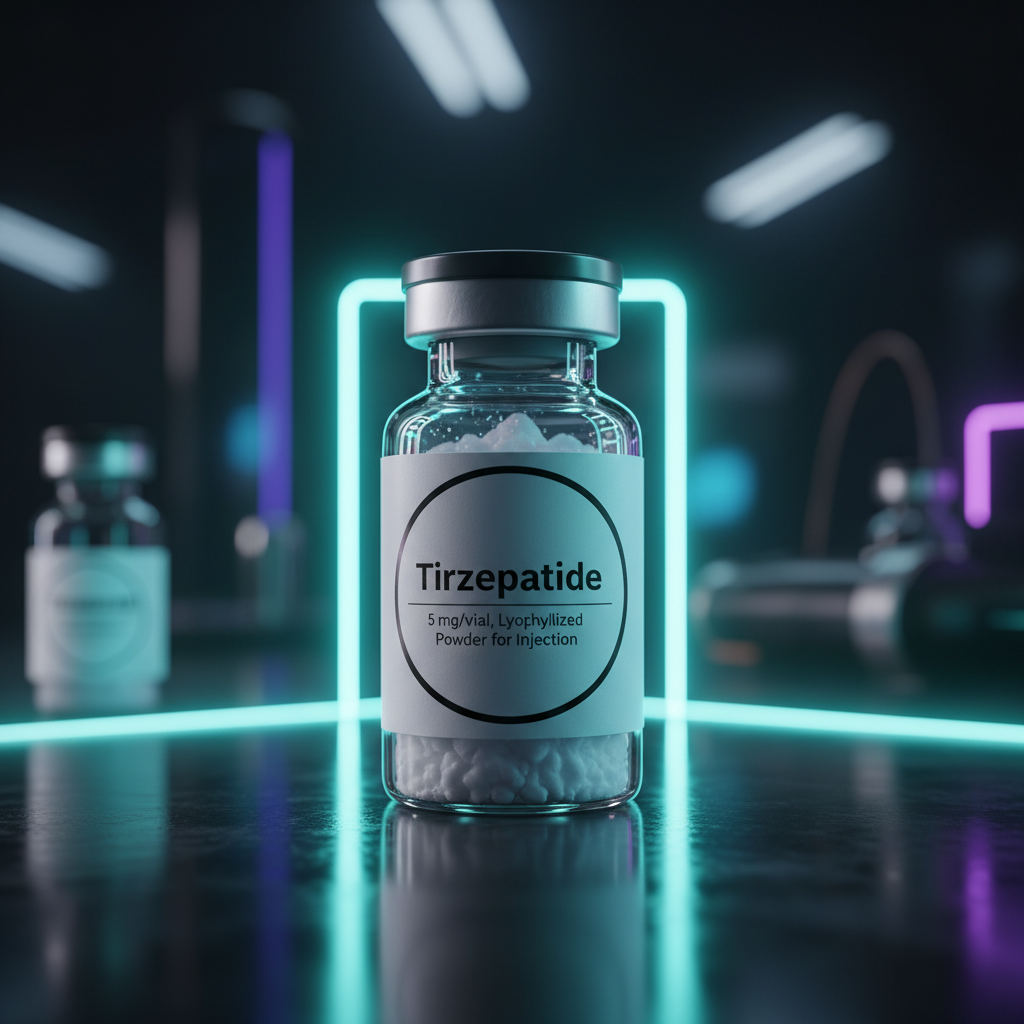
Tirzepatide
#002GIP / GLP-1 Dual Agonist
A 39-amino acid synthetic peptide that simultaneously activates GIP and GLP-1 receptors. Demonstrated greater weight loss than any approved single-agonist in clinical trials.

Retatrutide
#003GLP-1 / GIP / Glucagon Triple Agonist
A novel triple receptor agonist targeting GLP-1, GIP, and glucagon receptors simultaneously — the first of its kind in human Phase 2 trials. Early data suggests it may surpass dual agonists.
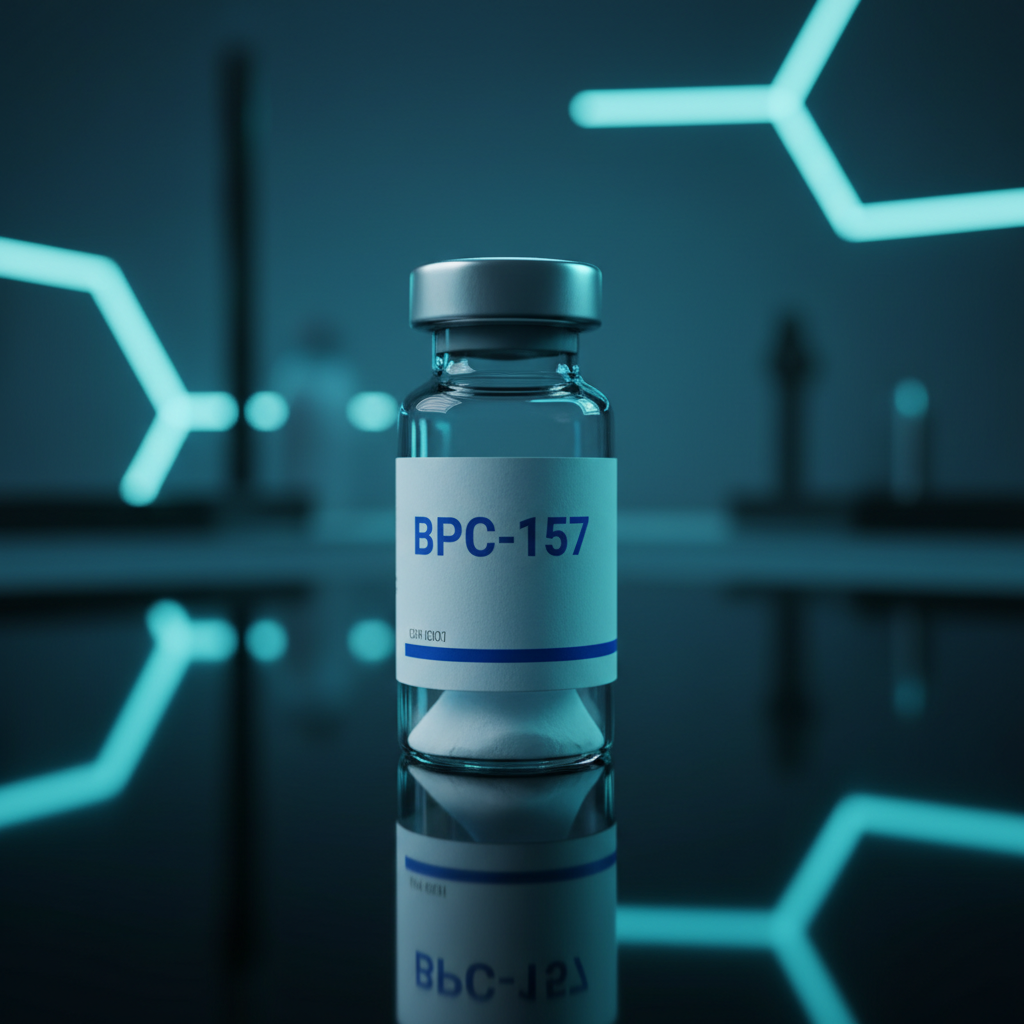
BPC-157
#004Body Protection Compound 157
A 15-amino acid cytoprotective peptide derived from human gastric juice. Widely researched for wound healing, tendon repair, and GI protection across hundreds of animal studies.
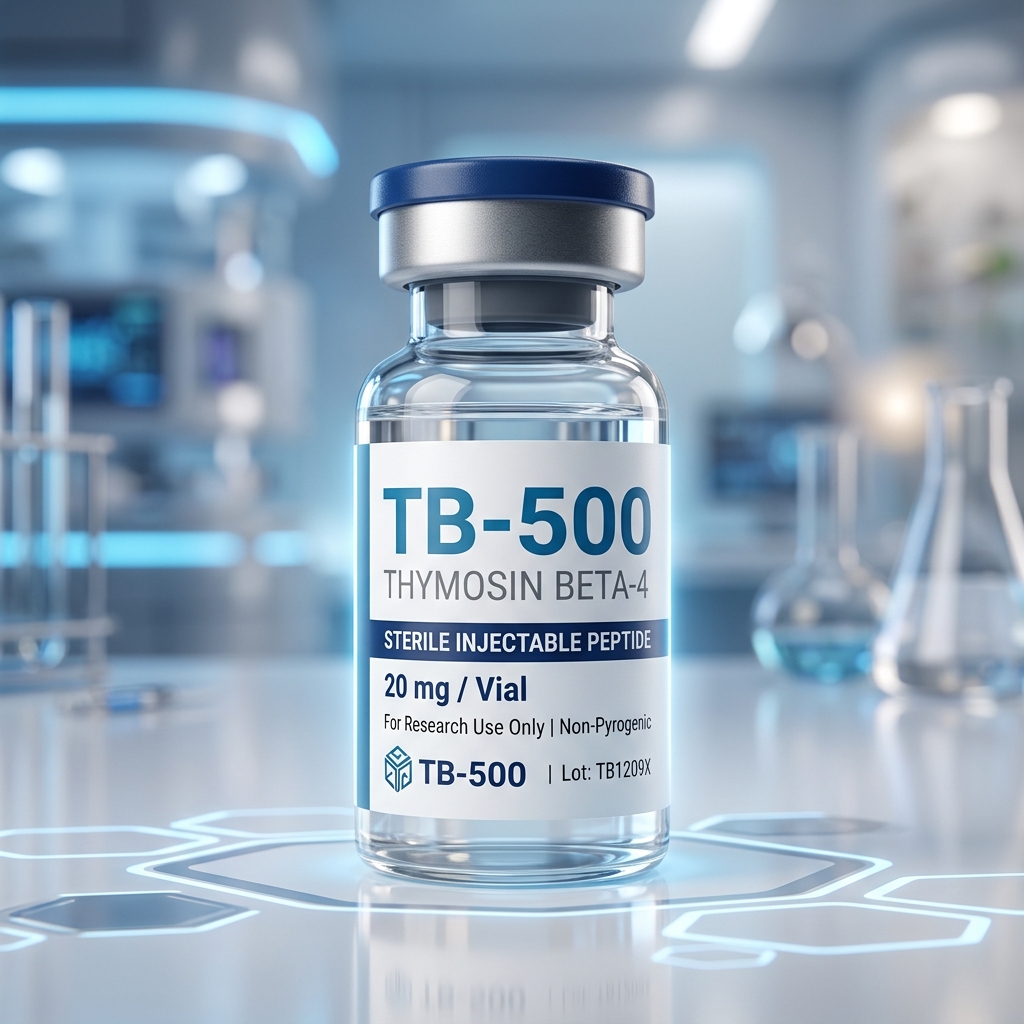
TB-500
#005Thymosin Beta-4 Synthetic Fragment
A synthetic fragment of Thymosin Beta-4, a ubiquitous actin-sequestering protein. Research focuses on promoting tissue repair, reducing inflammation, and supporting angiogenesis in cardiac and skeletal muscle models.
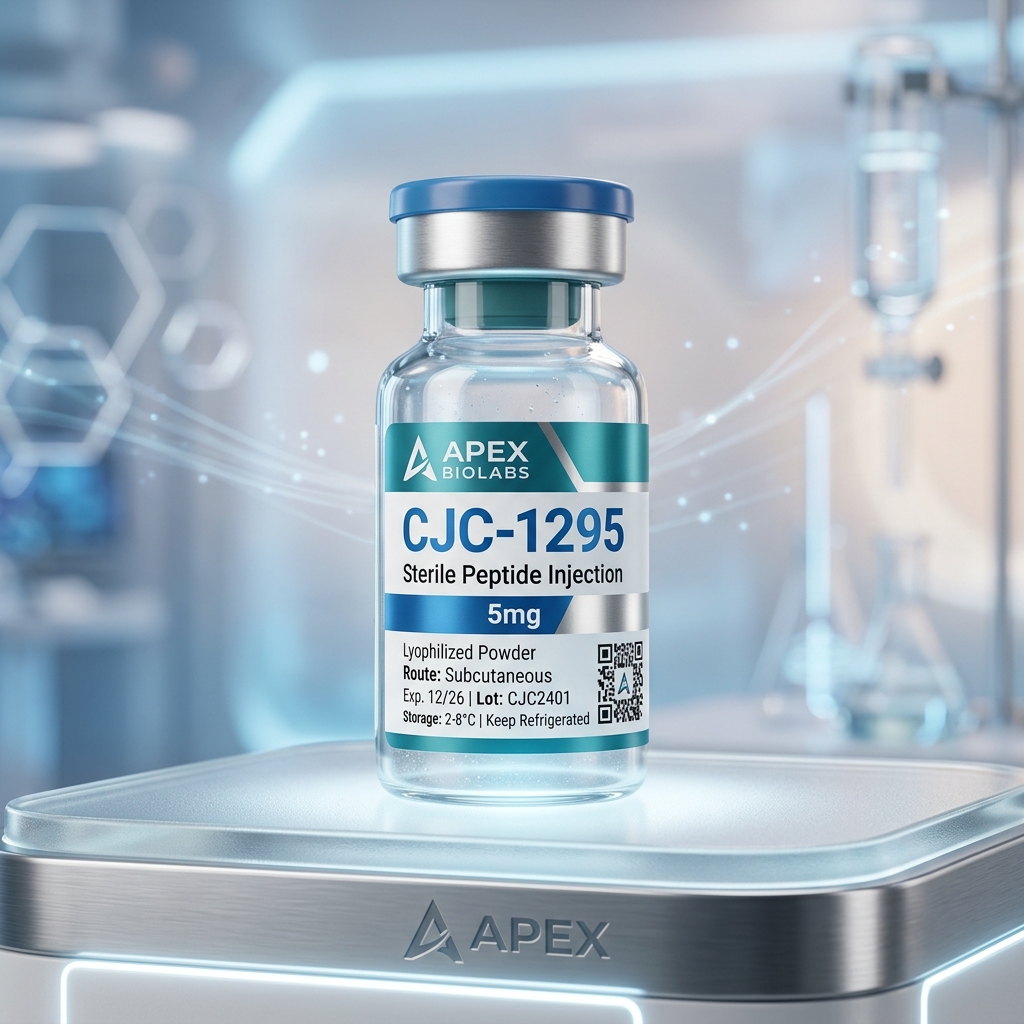
CJC-1295
#006GHRH Analog (No DAC)
A tetrasubstituted GHRH analog with four amino acid substitutions that increase receptor affinity and proteolytic resistance. Most commonly studied in combination with Ipamorelin for synergistic GH pulse amplification.
Ipamorelin
#007Selective GH Secretagogue
A pentapeptide ghrelin mimetic renowned for its exceptional receptor selectivity. Unlike other GHSRs, Ipamorelin does not significantly raise cortisol, ACTH, or prolactin — making it a clean research tool for isolated GH axis studies.
MOTS-c
#008Mitochondrial Open Reading Frame of the 12S rRNA-c
A 16-amino acid peptide encoded within the mitochondrial genome — a newly discovered class of signaling molecule. Regulates metabolic homeostasis via AMPK and FOXO1 pathways.
GHK-Cu
#009Copper Peptide Complex (Glycyl-L-Histidyl-L-Lysine:Cu²⁺)
A naturally occurring tripeptide-copper complex found in human plasma, saliva, and urine. Plasma levels decline sharply with age. Extensively studied for collagen induction, skin remodeling, and gene expression regulation.
PT-141
#010Bremelanotide — Melanocortin Receptor Agonist
A cyclic heptapeptide melanocortin receptor agonist and active metabolite of Melanotan II. Unlike peripheral vasodilators, PT-141 acts centrally via the CNS to modulate arousal and food intake pathways.
Epitalon
#011Epithalamin — Tetrapeptide Telomerase Activator
A synthetic tetrapeptide derived from the pineal gland peptide Epithalamin. Studied extensively by Vladimir Khavinson for telomerase activation, circadian regulation, and life extension in animal models.
Tesamorelin
#012GHRH Analog — Visceral Fat Reduction
A 44-amino acid GHRH analog with a trans-3-hexenoic acid N-terminal modification. FDA-approved for HIV-associated lipodystrophy. The most clinically validated GHRH analog for visceral adipose tissue reduction.
Selank
#013Anxiolytic Nootropic Heptapeptide
A synthetic analog of the endogenous tetrapeptide Tuftsin. Developed by the Russian Institute of Molecular Genetics. Studied for anxiolytic, nootropic, and immunomodulatory effects without sedation or dependence.
Semax
#014ACTH(4-7) Pro-Gly-Pro Analog
A synthetic analog of a fragment of ACTH that lacks hormonal activity but retains potent neuroprotective and cognitive-enhancing properties. Widely used in Russian clinical settings for stroke, memory, and attention disorders.
Hexarelin
#015Growth Hormone Releasing Hexapeptide
A potent six-amino acid growth hormone secretagogue. Among the strongest GHRPs studied, but notable for also elevating cortisol and prolactin — making it useful for studying GH axis effects with concurrent stress-hormone activation.
DSIP
#016Delta Sleep-Inducing Peptide
A neuropeptide originally isolated from rabbit cerebrospinal fluid during slow-wave sleep. Studied for sleep regulation, stress buffering, pain modulation, and antioxidant effects across decades of European research.
GHRP-2
#017Growth Hormone Releasing Peptide-2
A second-generation synthetic hexapeptide GHRP and potent GHSR-1a agonist. More selective than GHRP-6 with less ghrelin-like appetite stimulation, making it widely used in GH axis research protocols.
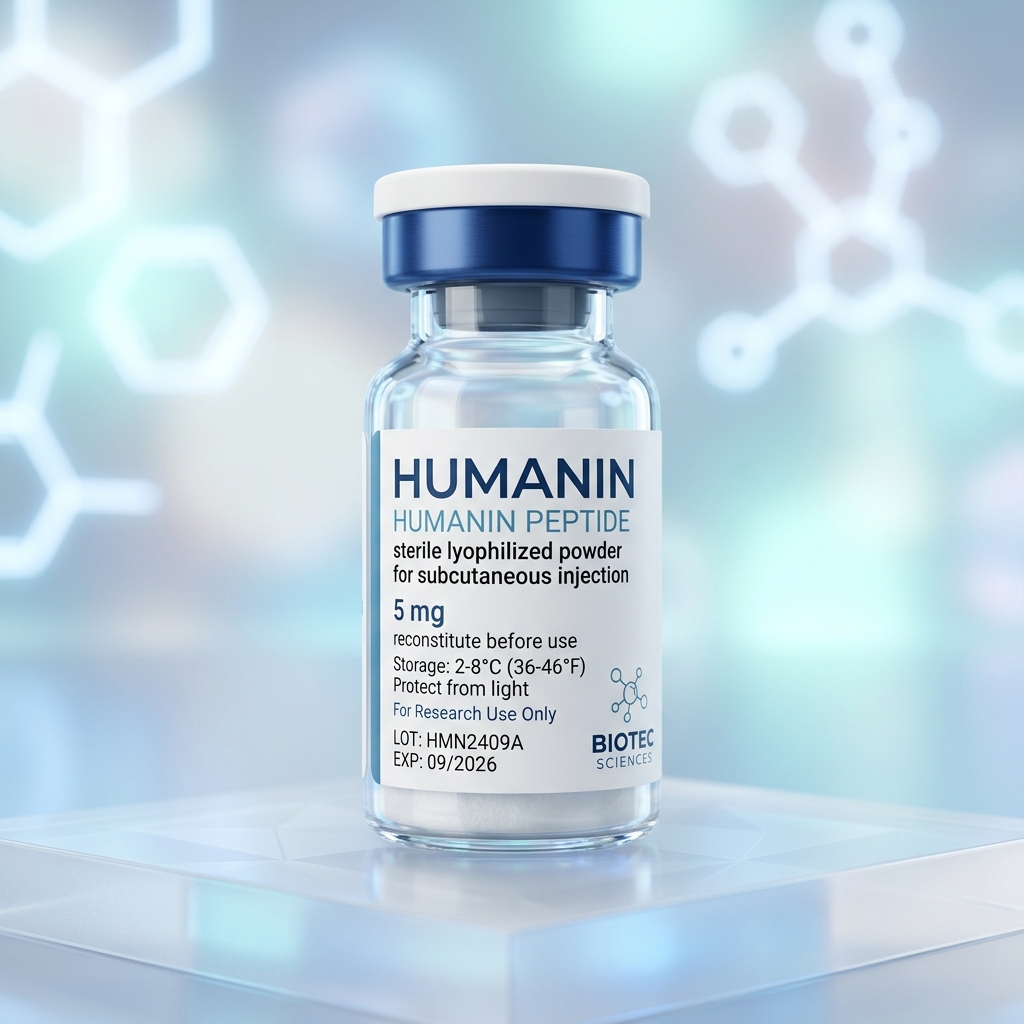
Humanin
#018Mitochondrial-Derived Cytoprotective Peptide
A 21-amino acid mitochondria-encoded peptide discovered through its ability to rescue neurons from Alzheimer's-related death. Like MOTS-c, it belongs to the emerging class of mitochondrial-derived peptides with systemic metabolic and cytoprotective effects.
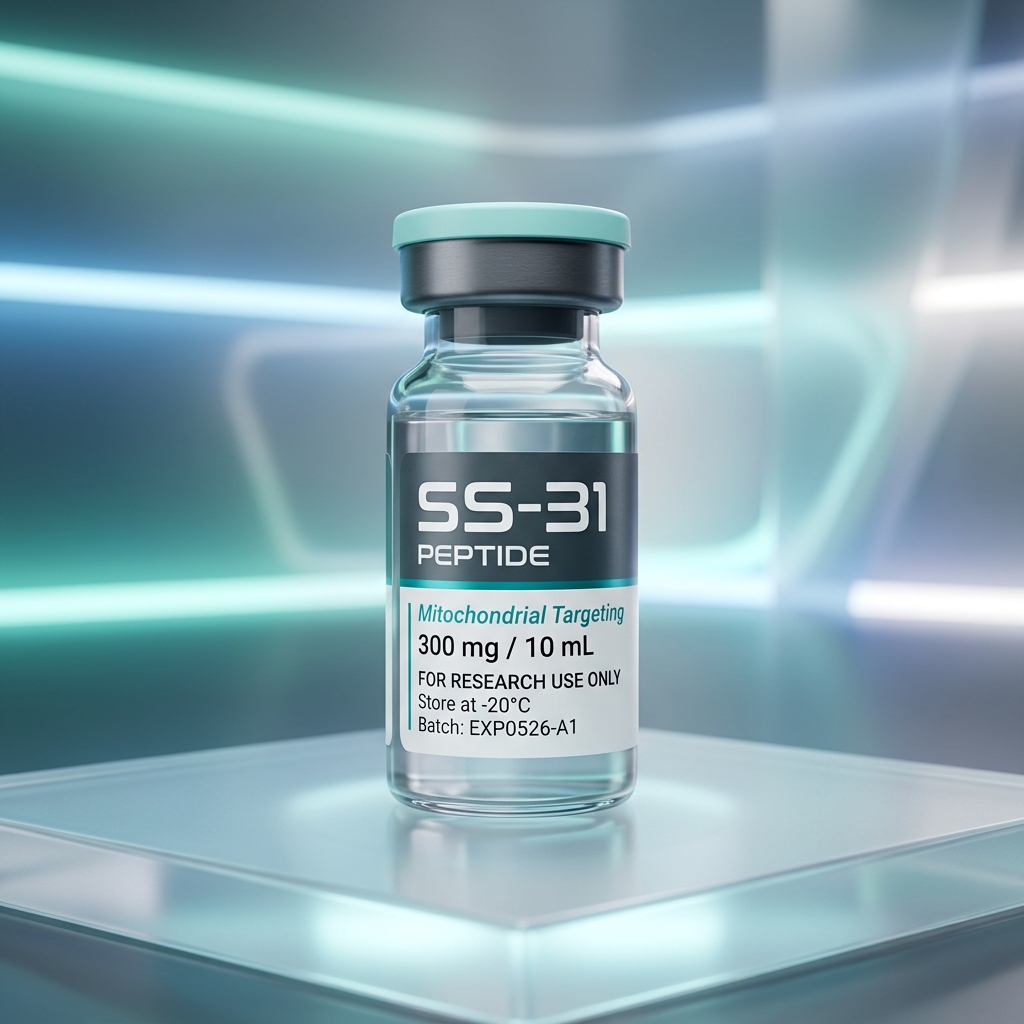
SS-31
#019Szeto-Schiller Peptide 31 — Mitochondria-Targeting Antioxidant
A cell-permeable tetrapeptide that selectively concentrates in the inner mitochondrial membrane by binding cardiolipin. Protects mitochondrial cristae structure and reduces oxidative stress without scavenging ROS directly.
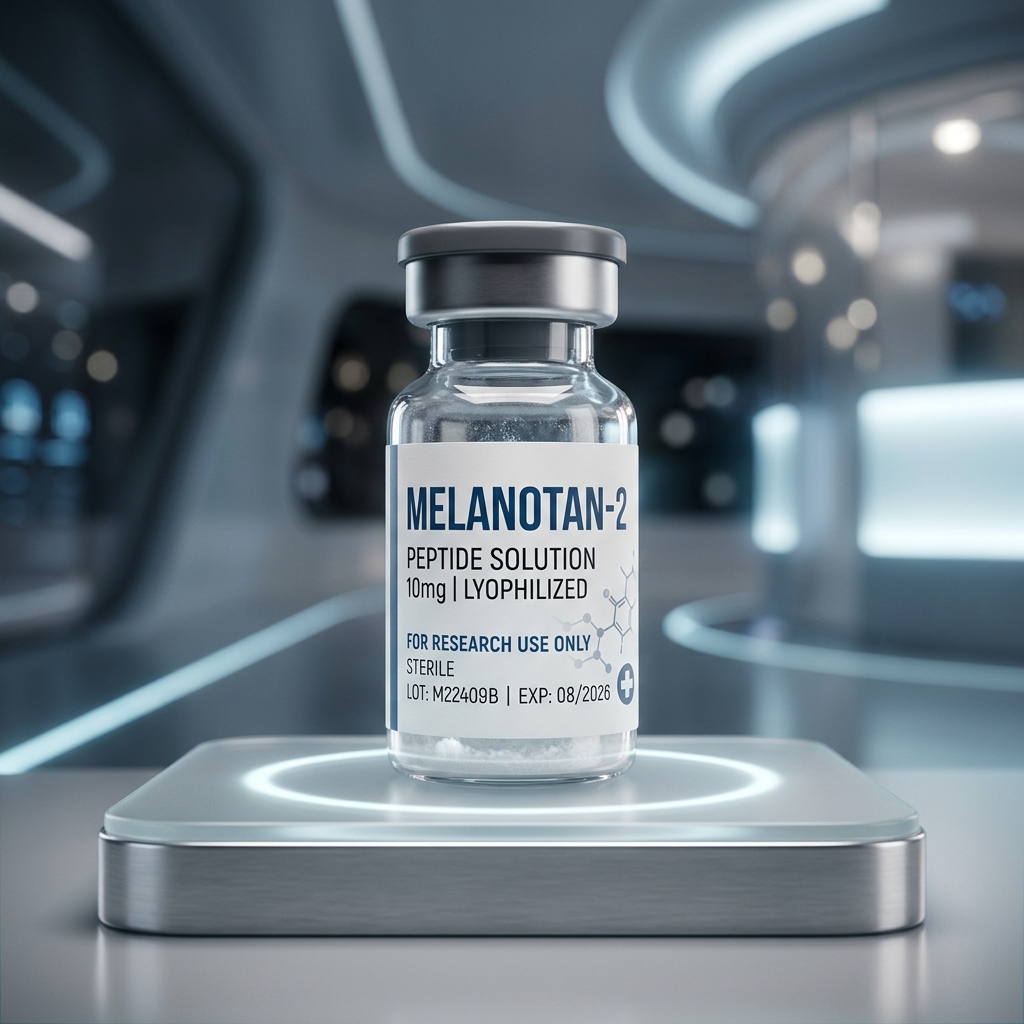
Melanotan II
#020Cyclic Melanocortin Analog
A potent cyclic analog of α-MSH that activates melanocortin receptors broadly. Studied for UV-independent melanogenesis, appetite suppression, and as the parent compound of PT-141 (Bremelanotide).
Thymosin Alpha-1
#021Thymalfasin — Immune Modulating Peptide
A 28-amino acid thymic peptide that modulates T-cell function and cytokine balance. Studied clinically for chronic hepatitis B, sepsis, and vaccine response augmentation for over 30 years.
AOD-9604
#022Modified hGH Fragment 177-191 (Lipolytic)
A modified C-terminal fragment of human growth hormone (amino acids 177-191) with a tyrosine substitution. Studied primarily for its lipolytic (fat-burning) effects without the growth-promoting activity of full-length hGH.
IGF-1 LR3
#023Long Arginine-3 Insulin-like Growth Factor-1
A modified recombinant IGF-1 with an arginine substitution and 13-residue N-terminal extension that reduces binding to IGF-binding proteins, increasing bioavailability. The FDA-approved drug mecasermin is the unmodified reference compound.
Sermorelin
#024GHRH (1-29) Analog
A synthetic 29-amino-acid fragment of growth hormone-releasing hormone (GHRH 1-29), FDA-approved as a diagnostic agent for GH deficiency. Stimulates the pituitary to release endogenous growth hormone.
GHRP-6
#025Growth Hormone Releasing Peptide-6
A synthetic ghrelin-mimetic hexapeptide that potently stimulates GH release through the ghrelin receptor. One of the first growth hormone secretagogues developed, with over 25 years of research history.
Kisspeptin-10
#026Kisspeptin-10 (KP-10) — Reproductive Neuropeptide
The active 10-amino-acid core of kisspeptin, a master regulator of reproductive hormone release. Stimulates GnRH secretion and has been studied in human trials for fertility and reproductive disorders.
Oxytocin
#027Oxytocin — Neuropeptide Hormone
A nine-amino-acid neuropeptide hormone best known for childbirth and lactation, now studied extensively for social bonding, stress regulation, wound healing, and metabolic effects via intranasal delivery.

LL-37
#028Cathelicidin LL-37 — Host Defense Peptide
The only human cathelicidin host-defense peptide. Kills bacteria, modulates inflammation, promotes wound healing, and is being studied for infections, sepsis, and tissue repair.
ARA-290
#029Cibinetide — Innate Repair Receptor Agonist
A non-erythropoietic peptide derived from erythropoietin (EPO) that activates the innate repair receptor. Studied in Phase 2 clinical trials for neuropathy, inflammation, and tissue protection without EPO’s red-cell effects.
VIP
#030Vasoactive Intestinal Peptide
A 28-amino-acid neuropeptide with potent anti-inflammatory and immunomodulatory actions. Being studied for autoimmune diseases, type 2 diabetes, and antiviral applications.
Cagrilintide
#031Long-Acting Amylin & Calcitonin Receptor Agonist
A lipidated amylin analogue engineered to resist the amyloid fibrillation that plagues native human amylin. Works on satiety pathways entirely separate from GLP-1 — which is why it stacks so effectively with semaglutide.
CagriSema
#032Cagrilintide 2.4 mg + Semaglutide 2.4 mg Fixed-Dose Combination
The first amylin + GLP-1 fixed-dose combination to reach phase 3. Two satiety systems in one weekly injection, and the closest any injectable has come to bariatric-surgery-range weight loss.
Survodutide
#033Glucagon / GLP-1 Receptor Dual Agonist
A 29-amino-acid dual agonist that pairs GLP-1 appetite suppression with glucagon-driven energy expenditure and hepatic fat oxidation. Its liver-fat data is the standout: up to 63% reduction.
Mazdutide
#034GLP-1 / Glucagon Dual Agonist (Oxyntomodulin Analogue)
An oxyntomodulin-based dual agonist and the first GLP-1/glucagon co-agonist approved anywhere in the world — cleared in China for weight management in 2025.
Liraglutide
#035Daily GLP-1 Receptor Agonist
The GLP-1 that proved the class. A C16 palmitoyl chain gave native GLP-1 a 13-hour half-life instead of two minutes — and produced the first cardiovascular outcome data for the family.
Setmelanotide
#036MC4R-Selective Melanocortin Agonist
A cyclic octapeptide that restores signalling in a broken melanocortin pathway. The only obesity drug that treats a specific genetic lesion rather than appetite in general.
PYY (3-36)
#037Peptide YY 3-36 — Y2 Receptor Agonist
The gut's post-meal "stop eating" signal, released from L-cells in proportion to calories consumed. Rises sharply after gastric bypass — one reason the surgery works.
Teduglutide
#038GLP-2 Analogue — Intestinotrophic Peptide
A single amino acid substitution turns GLP-2 from a 7-minute hormone into a drug that regrows intestinal villi. The only approved peptide that makes the gut physically bigger.
Larazotide
#039AT-1001 — Tight Junction Regulator / Zonulin Antagonist
An eight-amino-acid peptide that acts locally in the gut lumen and is essentially not absorbed. Reached phase 3 for celiac disease — and failed at interim analysis.
KPV
#040Lys-Pro-Val — C-Terminal α-MSH Tripeptide
Three amino acids clipped from the tail of α-MSH — small enough to ride the PepT1 transporter directly into intestinal cells, where it shuts down NF-κB signalling.
Pentadeca Arginate
#041PDA — BPC-157 Arginate Salt
The same fifteen amino acids as BPC-157, paired with an arginine counterion instead of acetate. Marketed as a successor compound; chemically, it is a salt form.
Follistatin-344
#042Myostatin & Activin Binding Protein
A glycoprotein that binds and neutralises myostatin — the brake on muscle growth. Knock out the brake in animals and muscle mass increases dramatically.
PEG-MGF
#043PEGylated Mechano Growth Factor (IGF-1Ec Splice Variant)
The splice variant of IGF-1 that muscle produces after mechanical damage. Its job is to wake up satellite cells — PEGylation extends a half-life measured in minutes.
Thymalin
#044Thymic Polypeptide Complex — Khavinson Bioregulator
A Soviet-era thymic extract, not a single molecule. The centrepiece of the Khavinson bioregulator programme — and of a 6-to-12-year follow-up study whose mortality claims have never been replicated.
Glutathione
#045GSH — Endogenous Antioxidant Tripeptide
The body's master antioxidant and the most abundant intracellular thiol. An unusual gamma peptide bond makes it resistant to normal peptidases — and its depletion tracks almost every disease of ageing.
FOXO4-DRI
#046FOXO4 D-Retro-Inverso Senolytic Peptide
A mirror-image peptide that pries p53 away from FOXO4 inside senescent cells — removing the block that keeps those cells alive instead of apoptotic.
Teriparatide
#047PTH (1-34) — Anabolic Bone Peptide
The first drug that builds bone rather than merely slowing its loss — and it works only because it is given as a daily pulse. Continuous exposure to the same peptide destroys bone instead.
Argireline
#048Acetyl Hexapeptide-8 — SNAP-25 Mimetic
A six-residue mimic of the SNAP-25 N-terminus, designed to interfere with the same vesicle-fusion machinery botulinum toxin cleaves. The mechanism is real; the question is whether enough of it reaches the muscle.
Dihexa
#049Angiotensin IV Analogue — HGF/c-Met Potentiator
An angiotensin IV derivative reported to be orders of magnitude more potent than BDNF at driving synaptogenesis. Its mechanism runs through c-Met — the same receptor that drives many cancers.
Cerebrolysin
#050Porcine Brain-Derived Neuropeptide Preparation
A low-molecular-weight peptide fraction from porcine brain tissue, used across Europe and Asia for stroke and dementia for decades. Decades of trials, and the Cochrane verdict is still not favourable.
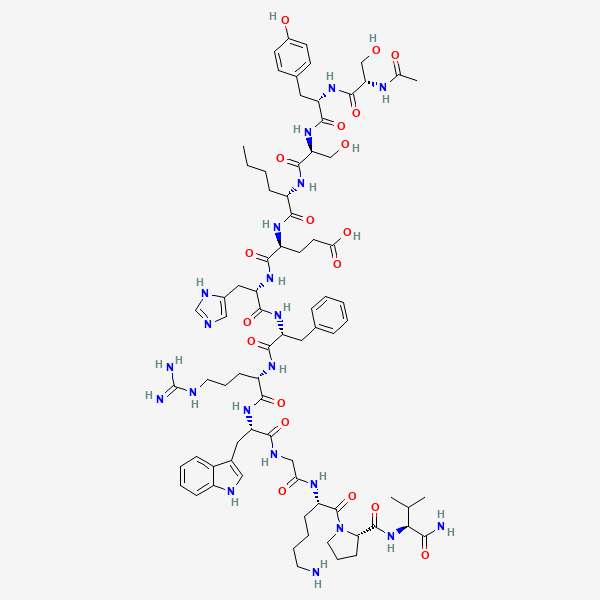
Afamelanotide
#1003Afamelanotide Acetate
Afamelanotide is a melanocortin receptor 1 agonist indicated to increase pain-free light exposure in adult patients with erythropoietic protoporphyria (EPP).
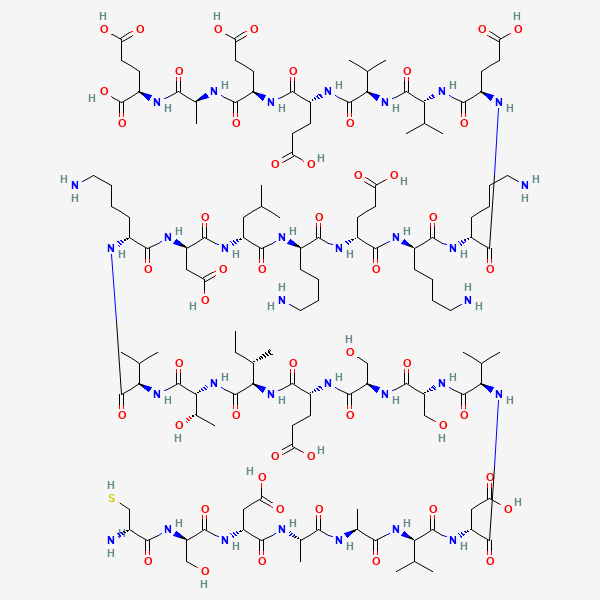
Thymosin
#1004Endogenous human peptide
Thymosin is an endogenous human peptide that plays a role in cytoskeleton organization by binding to and sequestering actin monomers, thereby inhibiting actin polymerization.
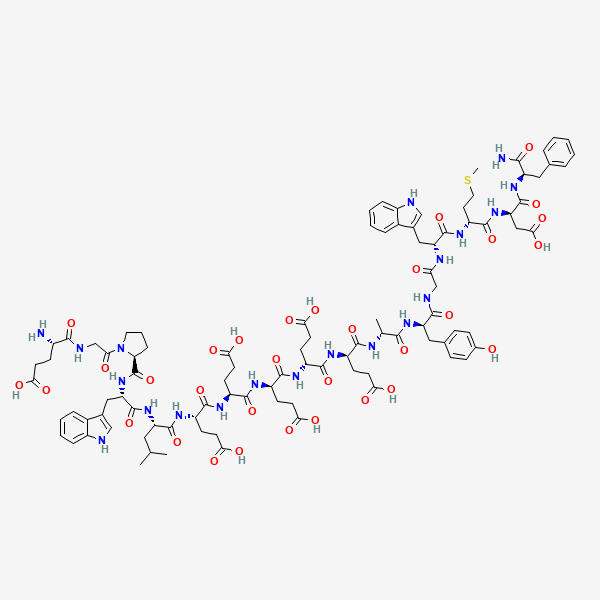
Gastrin
#1005Endogenous human peptide
Gastrin is an endogenous human peptide that stimulates the stomach mucosa to produce and secrete hydrochloric acid and the pancreas to secrete digestive enzymes.
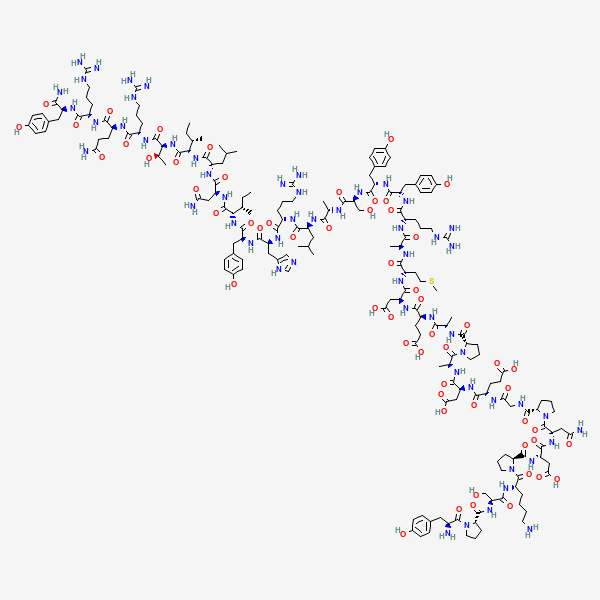
Human Neuropeptide Y
#1006(Ala 8)Human Neuropeptide Y
Human Neuropeptide Y is an investigational peptide that acts as a ligand for neuropeptide Y receptors.
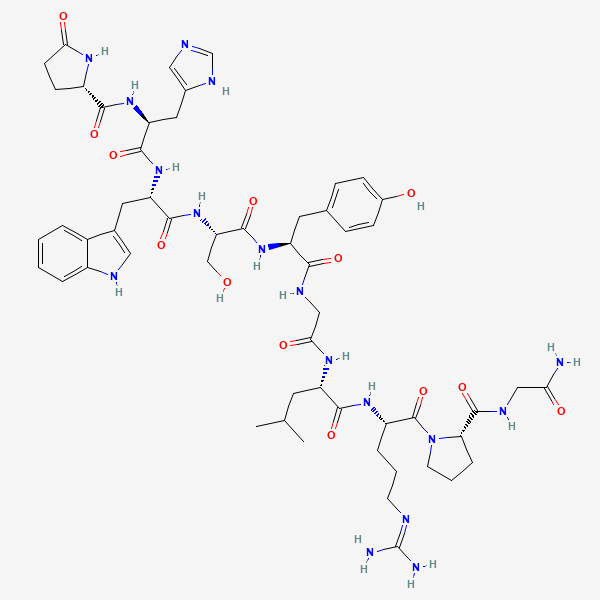
Gonadorelin
#1011Gonadorelin Acetate
Gonadorelin is a synthetic decapeptide that functions as a gonadotropin-releasing hormone (GnRH) receptor agonist. It is used in medicine to stimulate the release of gonadotropins.
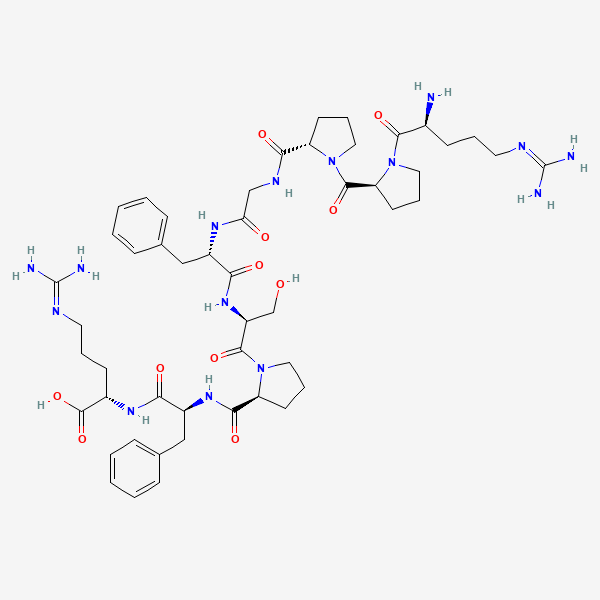
Bradykinin
#1012Endogenous human peptide
Bradykinin is an endogenous human peptide involved in various physiological processes, including blood coagulation and inflammation.
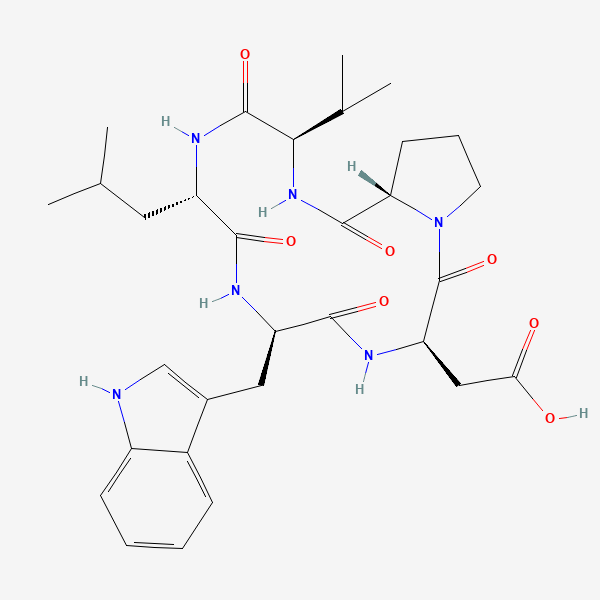
Bq-123
#1014Endothelin receptor ET-A antagonist
BQ-123 is a cyclic pentapeptide and a selective antagonist of the endothelin A (ETA) receptor.
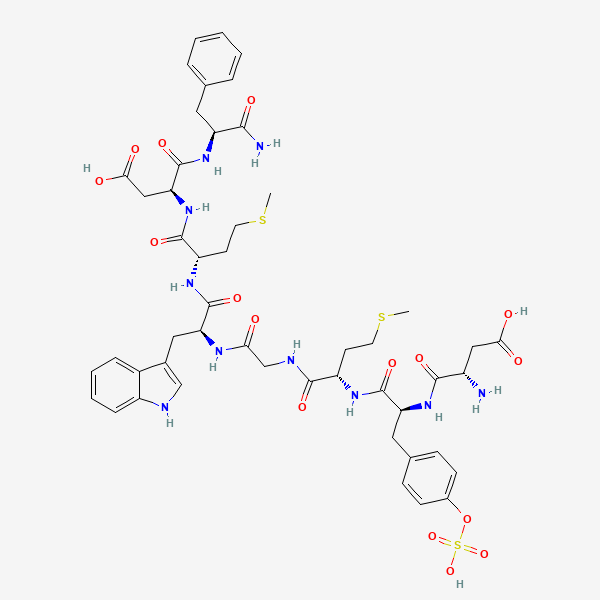
Sincalide
#1016Cholecystokinin A receptor agonist
Sincalide, also known as Kinevac, is an FDA-approved cholecystokinin A receptor agonist used in diagnostic imaging and to stimulate pancreatic secretion.
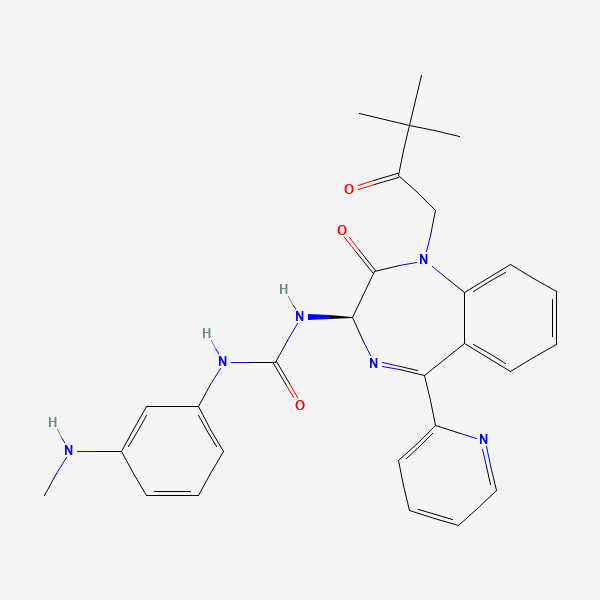
Netazepide
#1019Cholecystokinin B receptor antagonist
Netazepide is a cholecystokinin B receptor antagonist that has been investigated for its potential in treating various gastrointestinal conditions.
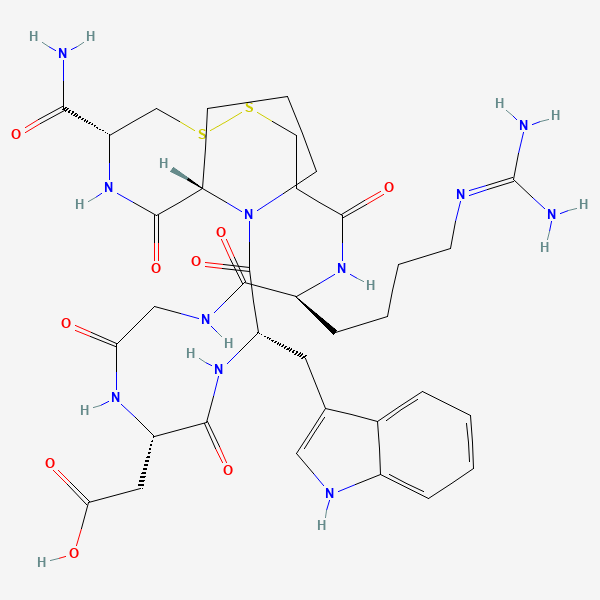
Eptifibatide
#1020Integrin alpha-IIb/beta-3 inhibitor
Eptifibatide is an integrin alpha-IIb/beta-3 inhibitor used to decrease the rate of death or myocardial infarction in patients with acute coronary syndrome and those undergoing percutaneous coronary intervention.
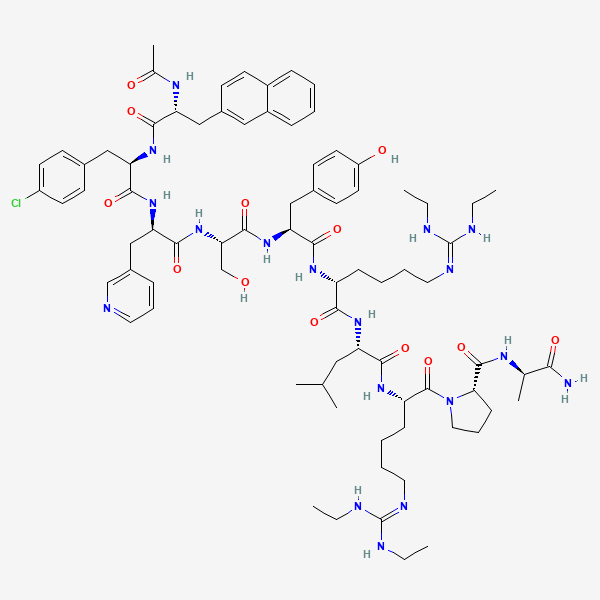
Ganirelix
#1023Gonadotropin-releasing hormone receptor antagonist
Ganirelix is a gonadotropin-releasing hormone (GnRH) receptor antagonist used to inhibit premature luteinizing hormone (LH) surges in women undergoing controlled ovarian hyperstimulation.
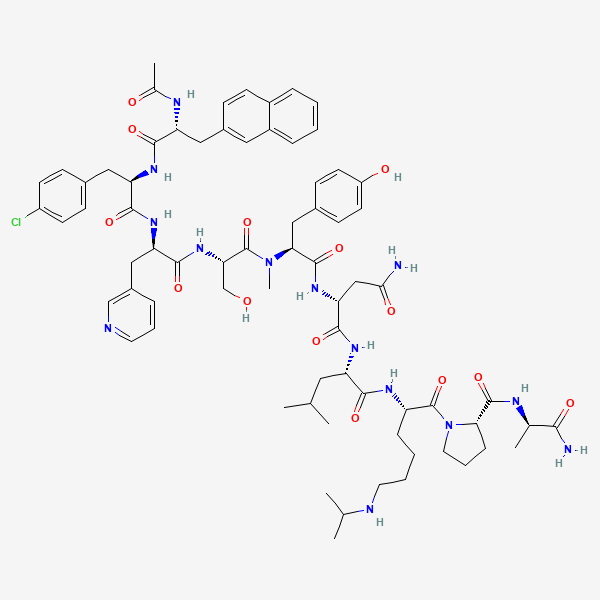
Abarelix
#1026Gonadotropin-releasing hormone receptor antagonist
Abarelix is a gonadotropin-releasing hormone receptor antagonist approved by the FDA for certain prostate cancer cases.
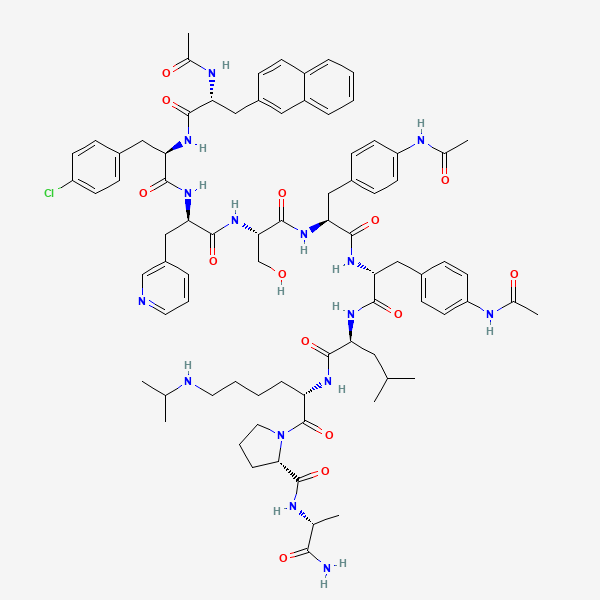
Acyline
#1027Research compound
Acyline is a synthetic peptide and a gonadotropin-releasing hormone (GnRH) antagonist, currently under investigation.
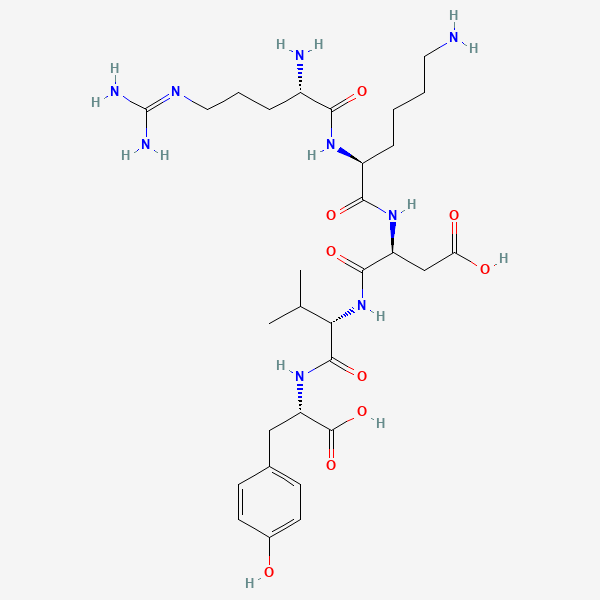
Thymopentin
#1028Endogenous human peptide
Thymopentin is an endogenous human peptide composed of five amino acid residues. It is currently investigational and studied for its role in immune modulation.
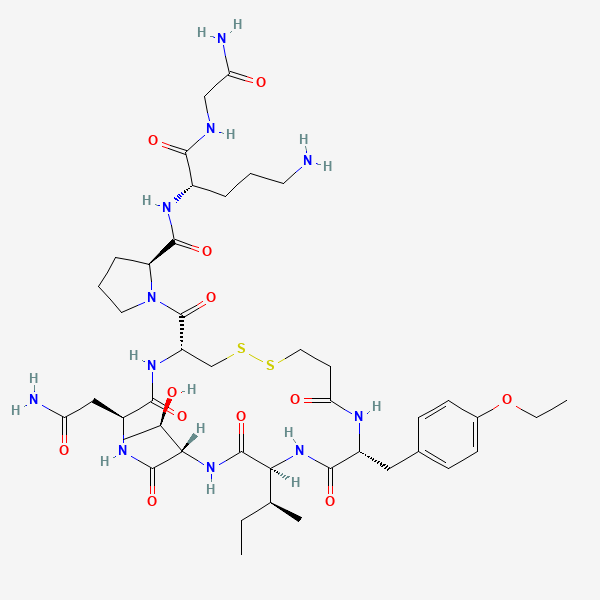
Atosiban
#1032Oxytocin receptor antagonist
Atosiban is an oxytocin receptor antagonist used to delay preterm labor. It is FDA-approved and acts by blocking the effects of oxytocin.
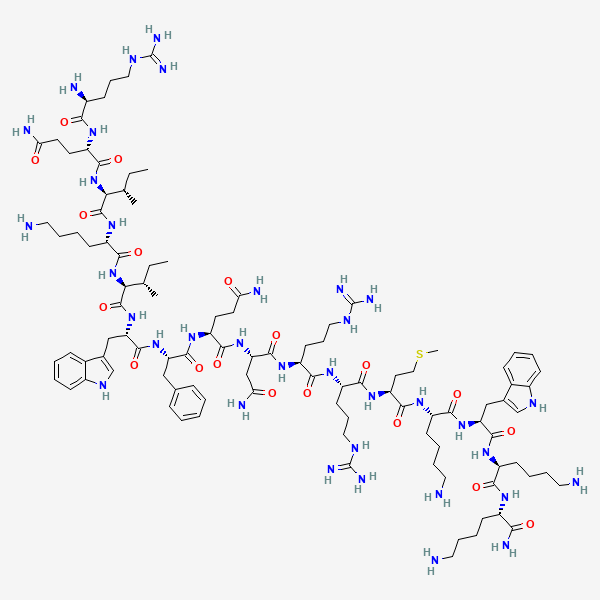
Penetratin
#1033Research peptide
Penetratin is a cell-penetrating peptide, also known as Transportan or Antennapedia Peptide, currently in Phase 1 clinical trials.
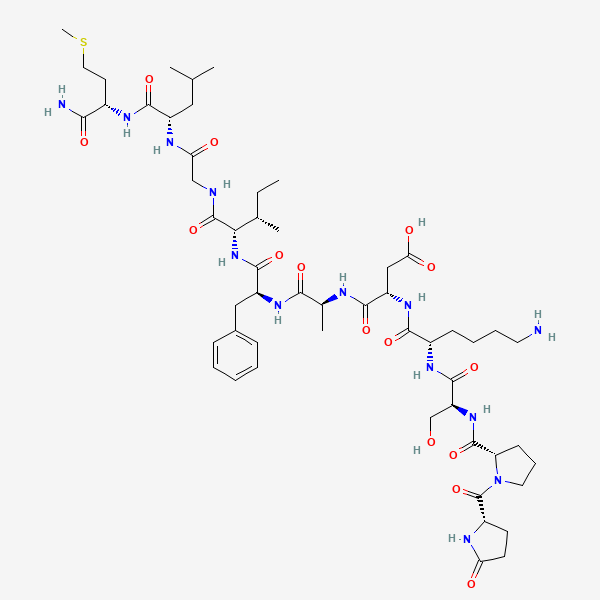
Eledoisin
#1034Research peptide
Eledoisin is a research peptide and a member of the tachykinin peptide family, currently in Phase 2 development.
Vasopressin
#1035Vasopressin Tannate
Vasopressin is an FDA-approved peptide hormone and V1a, V1b, and V2 receptor agonist used to increase blood pressure in adults with vasodilatory shock.
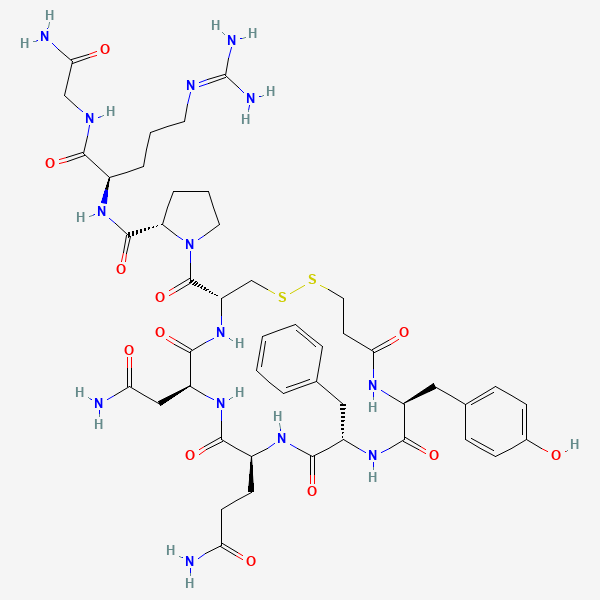
Desmopressin
#1036Desmopressin Acetate
Desmopressin is a synthetic analog of vasopressin that acts as a vasopressin receptor agonist. It is FDA-approved for central diabetes insipidus and primary nocturnal enuresis.
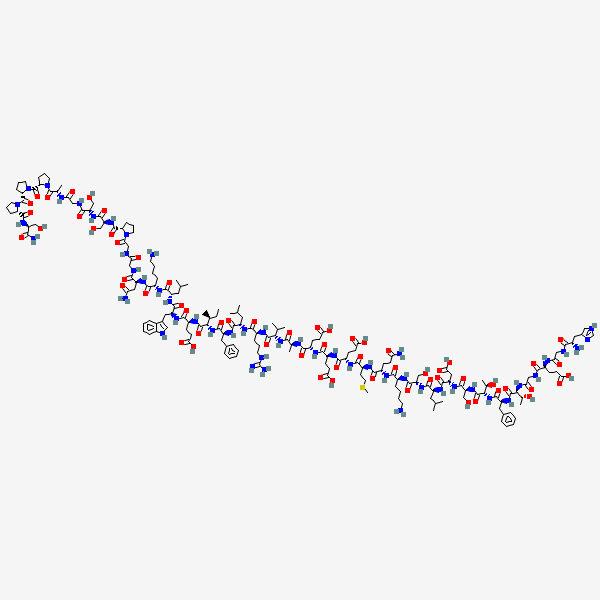
Exenatide
#1037Research compound
Exenatide is a synthetic peptide that acts as a glucagon-like peptide-1 (GLP-1) receptor agonist, primarily studied for its role in metabolic regulation.
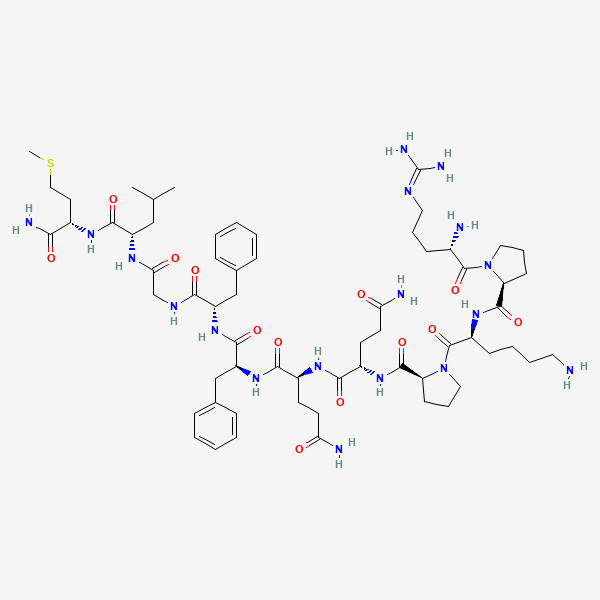
Substance P
#1038Endogenous human peptide
Substance P, also known as Neurokinin P, is an endogenous human peptide and a member of the tachykinin family.
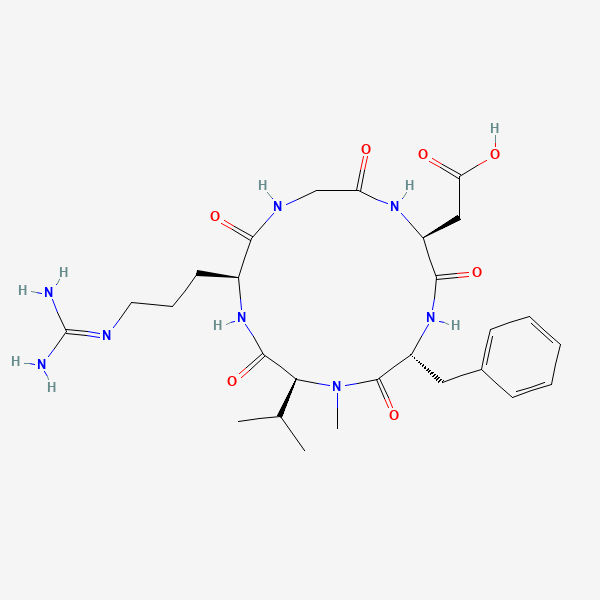
Cilengitide
#1040Integrin alpha-V/beta-3 antagonist
Cilengitide is a cyclic RGD peptide and an integrin alpha-V/beta-3 and alpha-V/beta-5 antagonist, studied for various cancers.
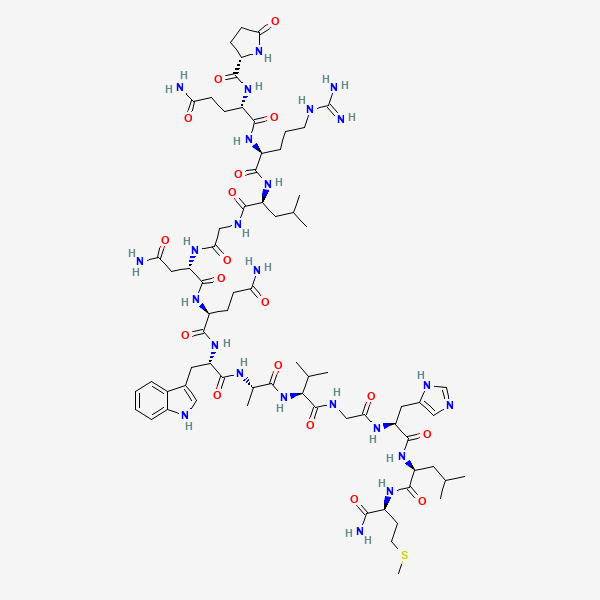
Bombesin
#1041Research compound
Bombesin is a tetradecapeptide that acts as a bombesin receptor agonist, influencing various physiological processes.
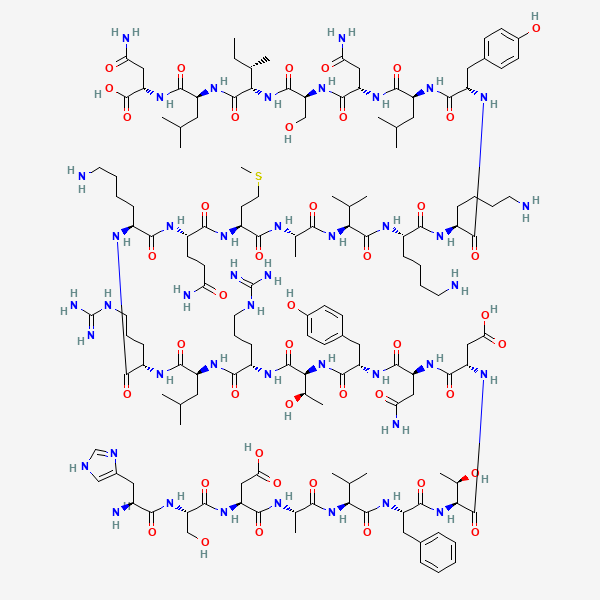
Vasoactive Intestinal Peptide
#1044Endogenous human peptide
Vasoactive Intestinal Peptide (VIP) is a neuropeptide that activates VIP receptor 1 (VPR1) and VIP receptor 2 (VPR2), which are G protein-coupled receptors.
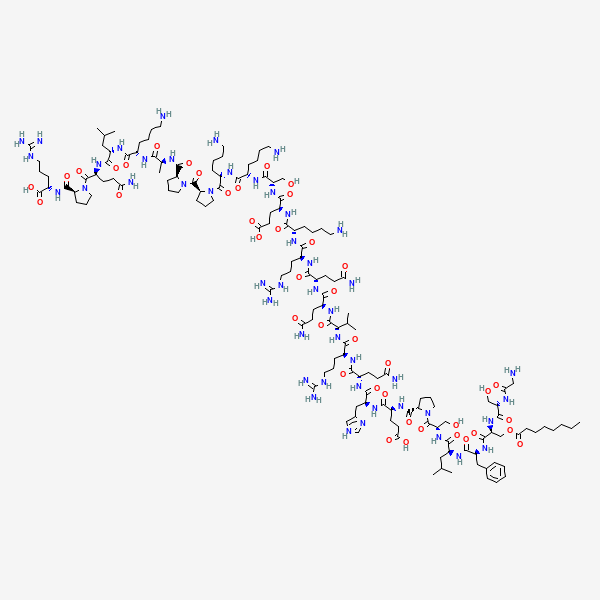
Ghrelin
#1046Research compound
Ghrelin is a peptide hormone that acts as a ligand for the growth hormone secretagogue receptor (GHSR). It is involved in regulating appetite, metabolism, and growth hormone release.
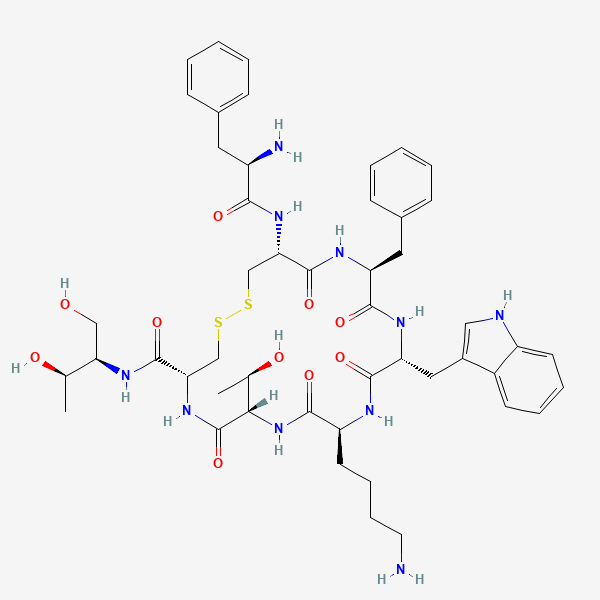
Octreotide
#1049Research peptide
Octreotide is a somatostatin analog indicated for reducing growth hormone and IGF-1 levels in acromegaly, and for managing severe diarrhea and flushing associated with metastatic carcinoid tumors and VIPomas.
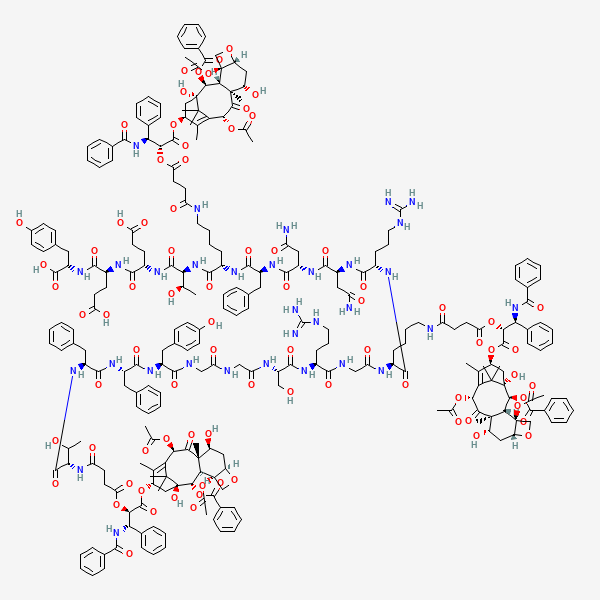
Ang1005
#1050Prolow-density lipoprotein receptor-related protein 1 binding agent
Ang1005, also known as paclitaxel trevatide, is a prolow-density lipoprotein receptor-related protein 1 binding agent and tubulin inhibitor.
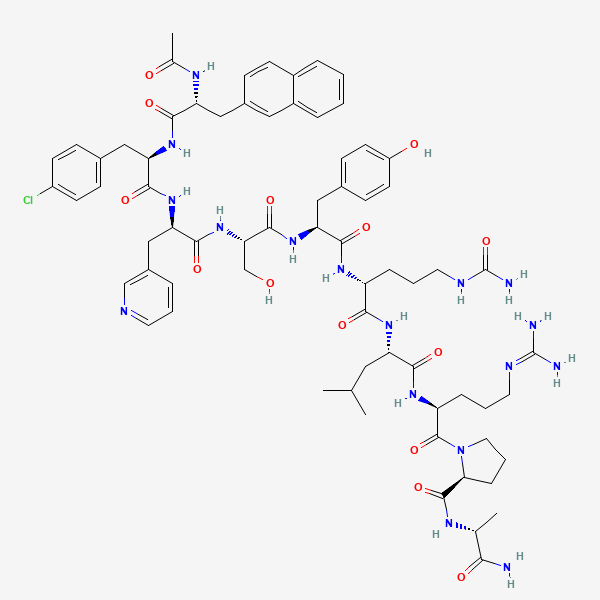
Cetrorelix
#1052Cetrorelix Acetate
Cetrorelix is a gonadotropin-releasing hormone (GnRH) receptor antagonist used to inhibit premature LH surges in women undergoing controlled ovarian stimulation.
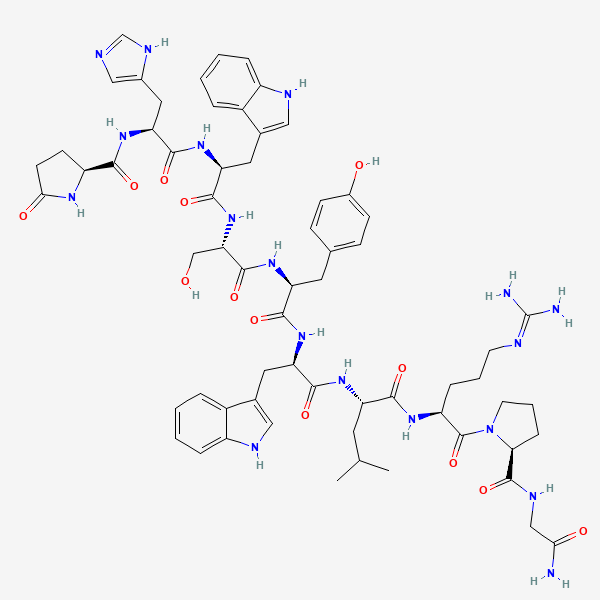
Triptorelin
#1055Triptorelin Pamoate
Triptorelin is a gonadotropin-releasing hormone (GnRH) receptor agonist indicated for the treatment of advanced prostate cancer.
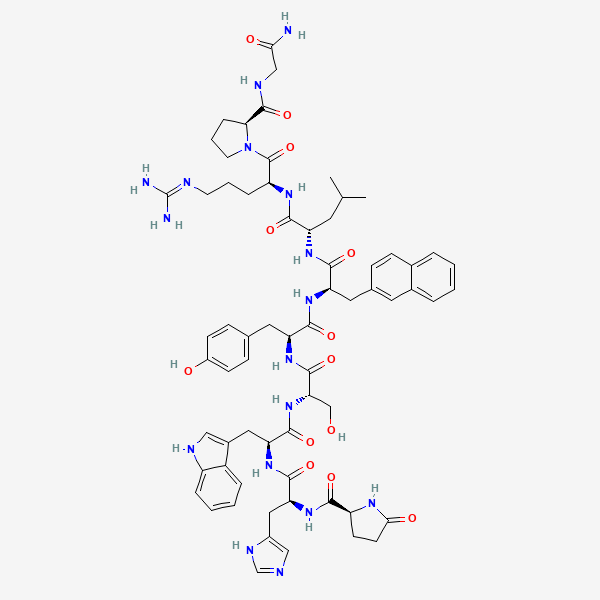
Nafarelin
#1057Nafarelin Acetate
Nafarelin is a gonadotropin-releasing hormone receptor agonist used in the management of endometriosis and central precocious puberty.
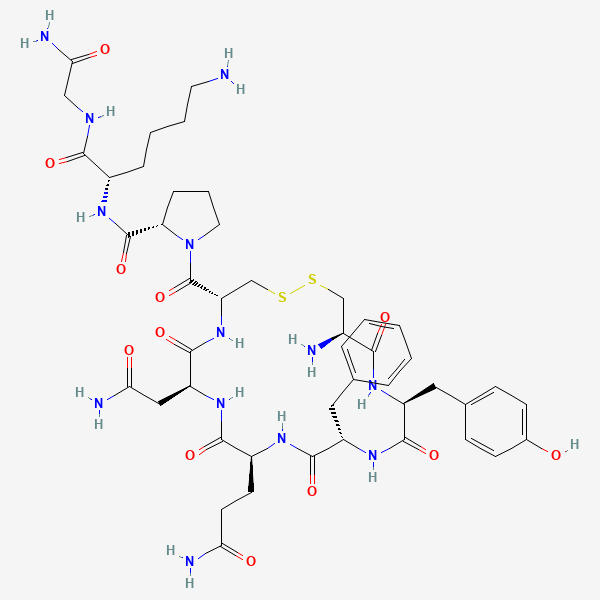
Lypressin
#1058Vasopressin receptor agonist
Lypressin is a synthetic peptide and a vasopressin receptor agonist, used in the treatment of diabetes insipidus.
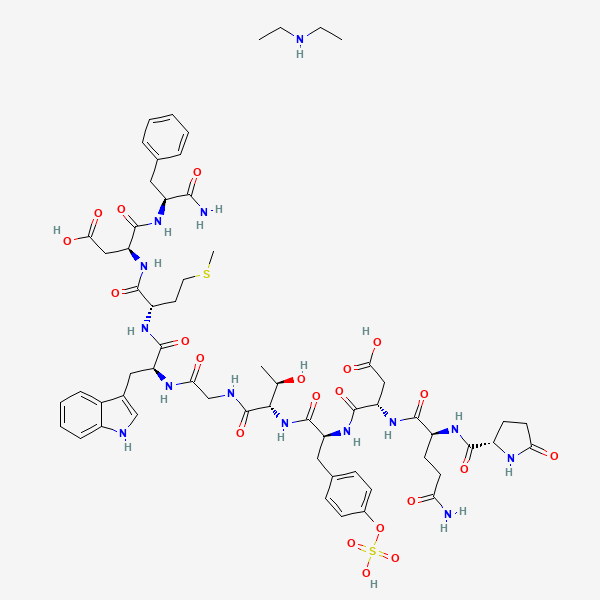
Ceruletide Diethylamine
#1059Cholecystokinin A receptor agonist
Ceruletide Diethylamine is a cholecystokinin A receptor agonist that was FDA approved in 1982.
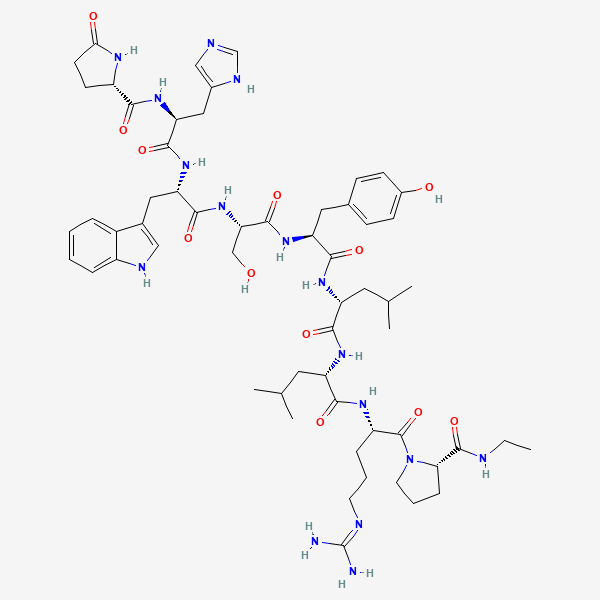
Leuprolide
#1060Leuprolide Acetate
Leuprolide is a gonadotropin-releasing hormone (GnRH) receptor agonist used in the treatment of advanced prostate cancer and other hormone-sensitive conditions.
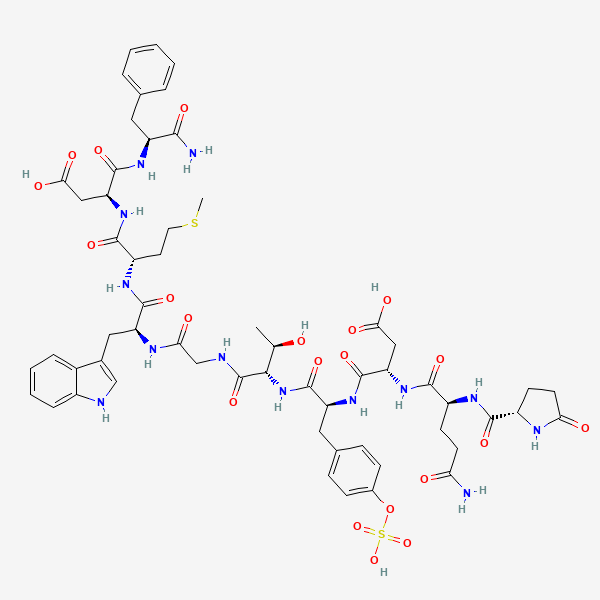
Ceruletide
#1062Research peptide
Ceruletide is a synthetic peptide and cholecystokinin (CCK) agonist, approved by the FDA for diagnostic and therapeutic uses.
Epoetin Alfa
#1063Erythropoietin receptor agonist
Epoetin Alfa is an erythropoiesis-stimulating agent (ESA) that acts as an erythropoietin receptor agonist, primarily used to treat anemia.
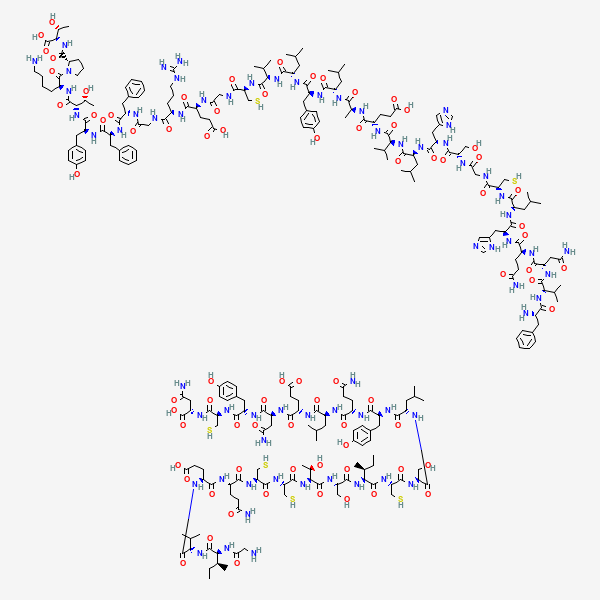
Insulin Lispro
#1065Insulin receptor agonist
Insulin Lispro, also known as Lyumjev, is a rapid-acting human insulin analog that acts as an insulin receptor agonist.
Becaplermin
#1070Platelet-derived growth factor receptor agonist
Becaplermin is a recombinant human platelet-derived growth factor, functioning as a platelet-derived growth factor receptor agonist. It is FDA-approved for the treatment of lower extremity diabetic neuropathic ulcers.
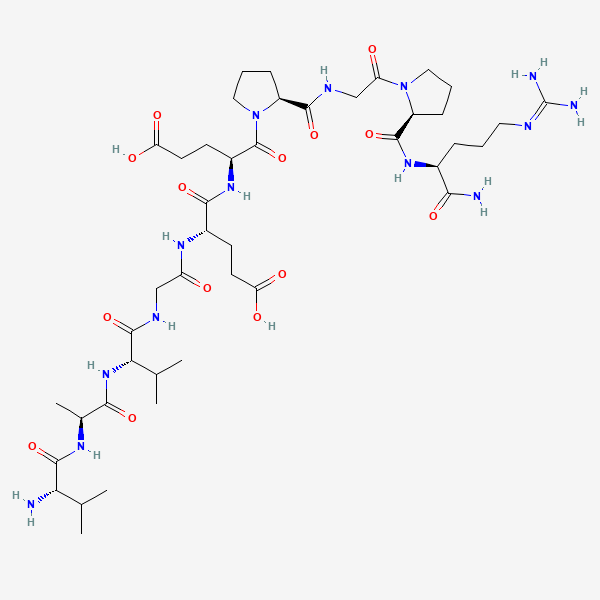
Somatrem
#1071Growth hormone receptor agonist
Somatrem, also known as Protropin, is a growth hormone receptor agonist that was FDA approved in 1985.
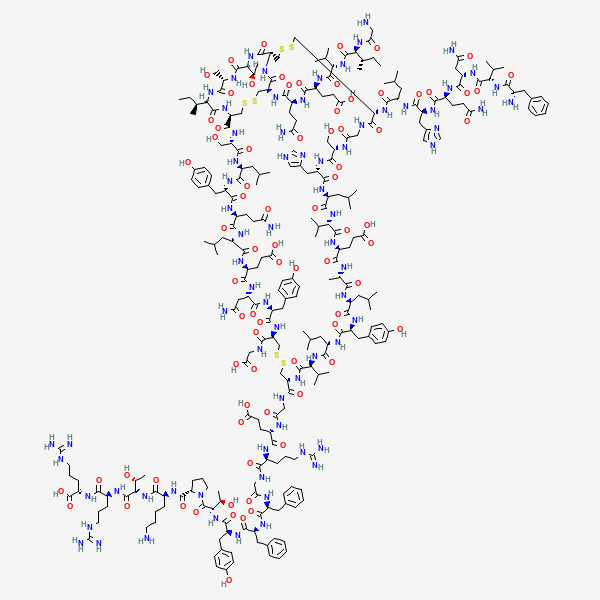
Insulin Glargine
#1072Insulin receptor agonist
Insulin Glargine is a long-acting human insulin analog and an insulin receptor agonist, FDA-approved to improve glycemic control in patients with type 1 and type 2 diabetes mellitus.
Insulin Susp Isophane Semisynthetic Purified Human
#1073Insulin receptor agonist
Insulin Susp Isophane Semisynthetic Purified Human is an insulin receptor agonist that is FDA approved.
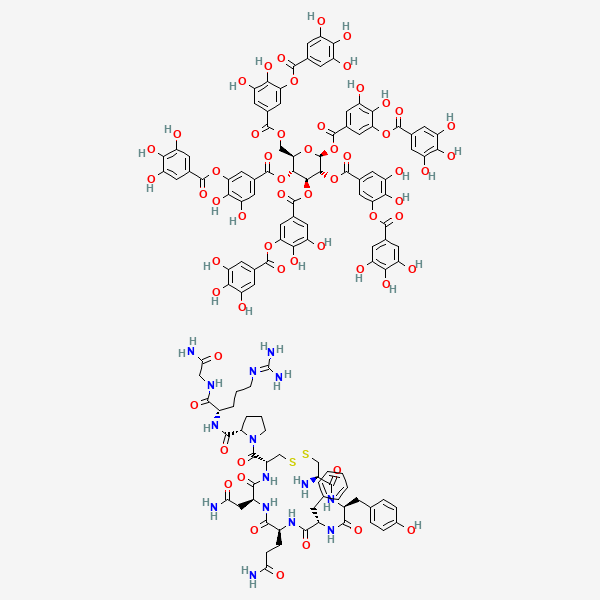
Vasopressin Tannate
#1081Vasopressin V2 receptor agonist
Vasopressin Tannate is an FDA-approved vasopressin V2 receptor agonist, also acting on V1a and V1b receptors.
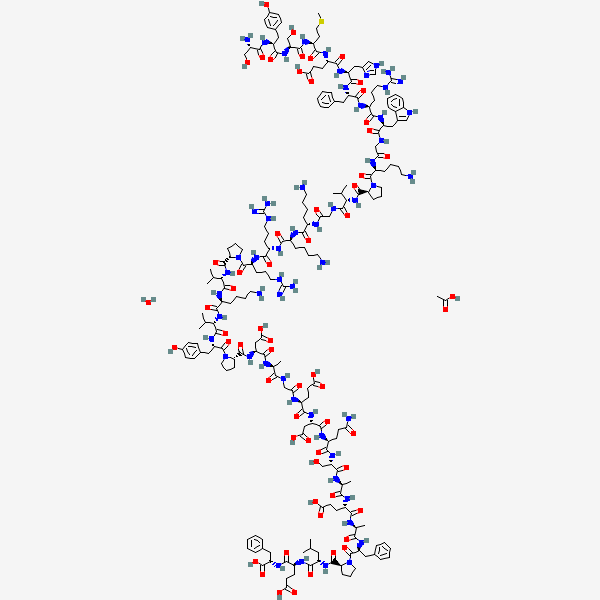
Seractide Acetate
#1084Melanocortin receptor 2 agonist
Seractide Acetate is a synthetic peptide that acts as a melanocortin receptor 2 agonist.
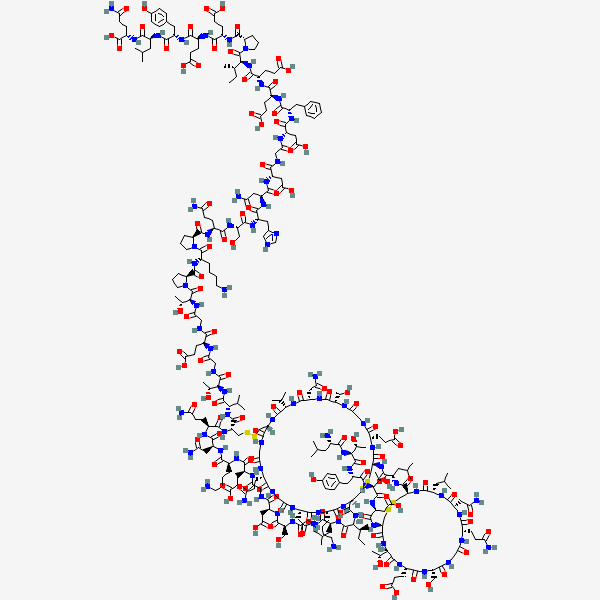
Lepirudin
#1086Thrombin inhibitor
Lepirudin is a recombinant hirudin derivative that functions as a direct thrombin inhibitor. It is FDA-approved for anticoagulation.
Insulin Susp Isophane Beef
#1087Insulin receptor agonist
Insulin Susp Isophane Beef is an insulin receptor agonist used to manage various forms of diabetes mellitus.
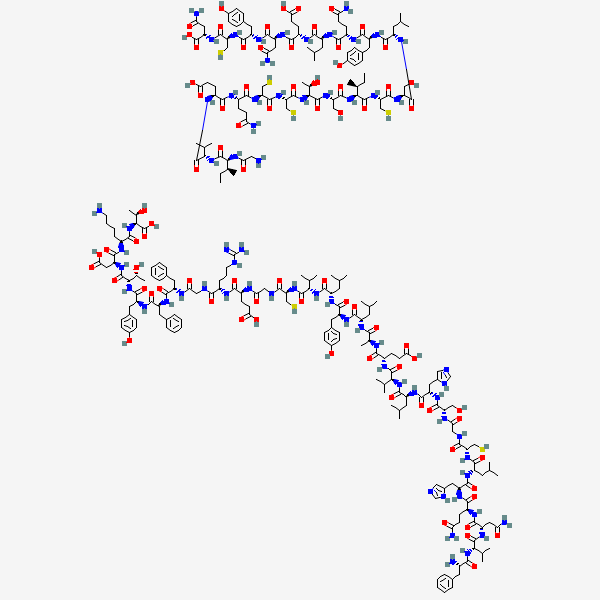
Insulin Aspart
#1088Insulin receptor agonist
Insulin Aspart is a rapid-acting human insulin analog that functions as an insulin receptor agonist, primarily used to improve glycemic control in patients with diabetes mellitus.
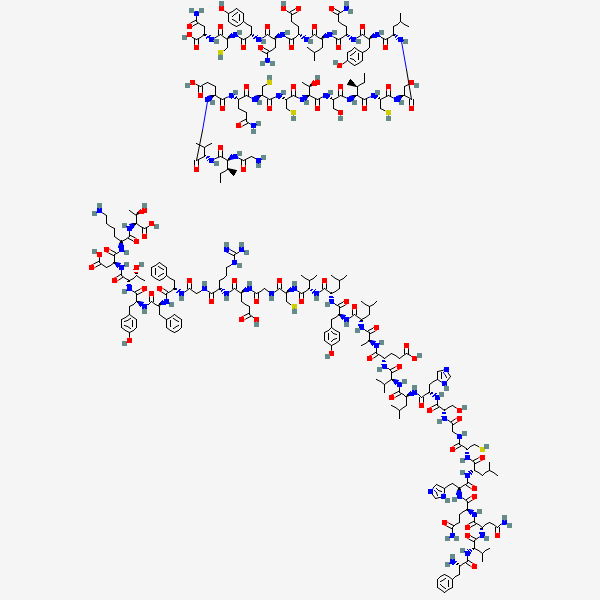
Insulin Aspart Protamine Recombinant
#1089Insulin receptor agonist
Insulin Aspart Protamine Recombinant is an insulin receptor agonist, FDA-approved for managing diabetes mellitus.
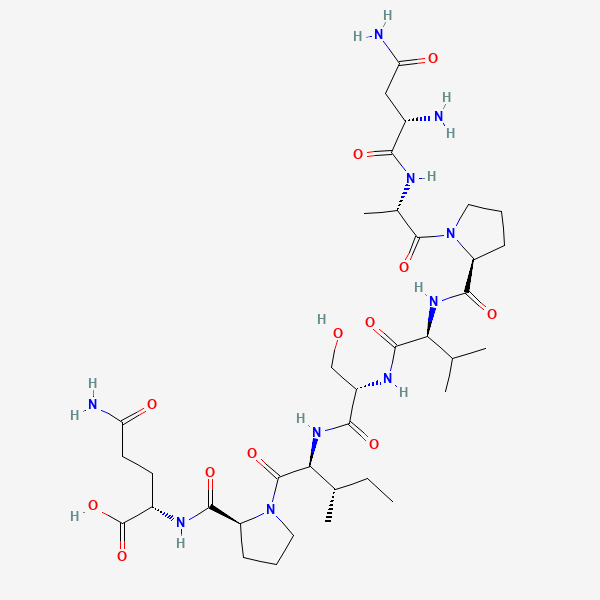
Davunetide
#1090Tubulin stabiliser
Davunetide, also known as NAP peptide, is a tubulin stabiliser studied for its potential in neurological disorders.
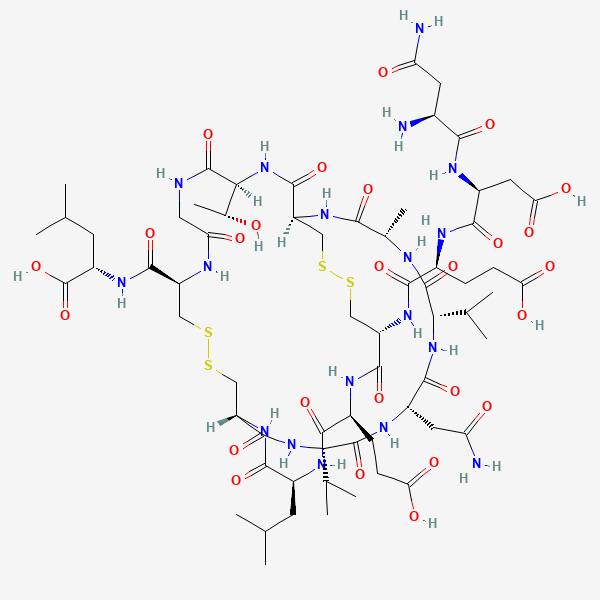
Plecanatide
#1091Heat-stable enterotoxin receptor agonist
Plecanatide, also known as Trulance, is a guanylate cyclase-C agonist approved for treating chronic idiopathic constipation (CIC) and irritable bowel syndrome with constipation (IBS-C) in adults.
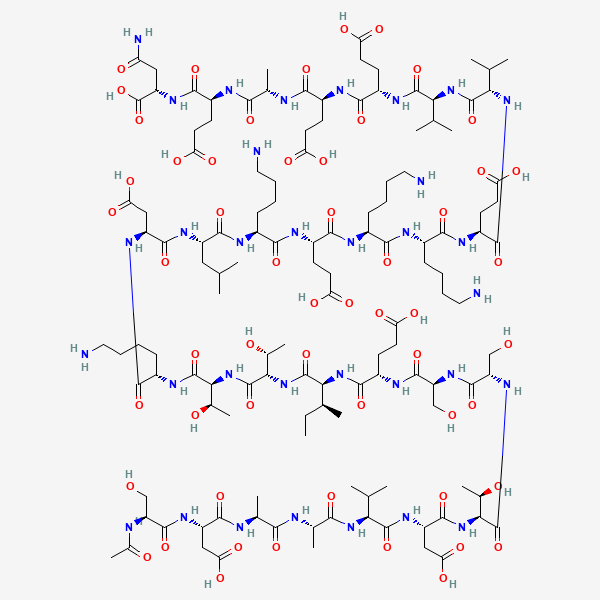
Thymalfasin
#1100Unknown
Thymalfasin, also known as Thymosin alpha 1, is a synthetic peptide that has been investigated for its immunomodulatory properties.
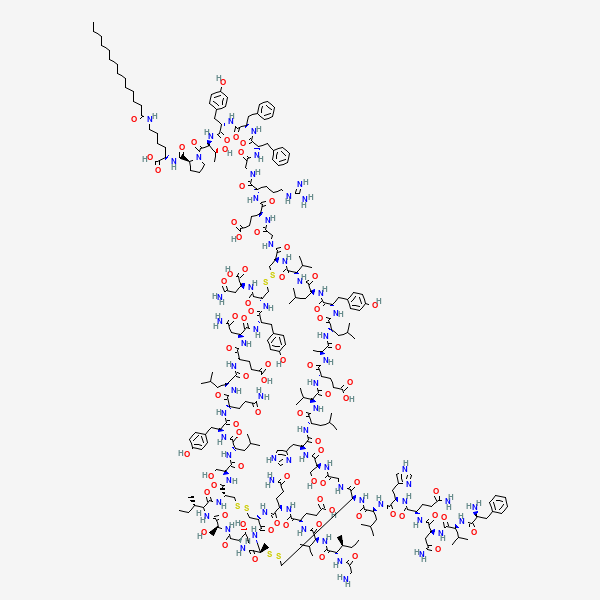
Insulin Detemir
#1106Insulin receptor agonist
Insulin Detemir, also known as Levemir, is a long-acting human insulin analog and an insulin receptor agonist used to improve glycemic control in patients with diabetes mellitus.
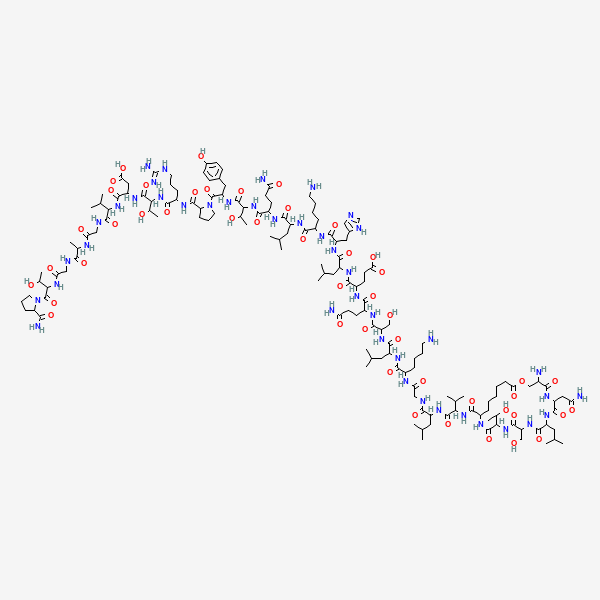
Elcatonin
#1107Research peptide
Elcatonin is a synthetic calcitonin analog derived from eel calcitonin, currently in Phase 2 clinical trials for parathyroid diseases.
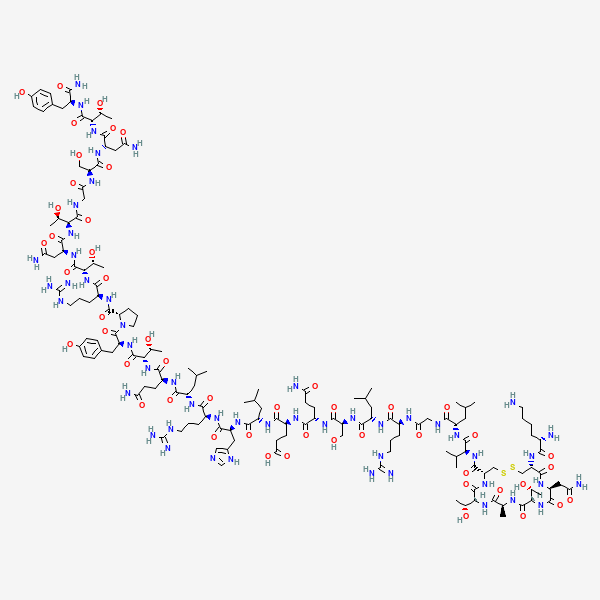
Davalintide
#1112Calcitonin gene-related peptide type 1 receptor agonist
Davalintide is a calcitonin gene-related peptide type 1 receptor agonist and an amylin receptor AMY1, CALCR/RAMP1 agonist.
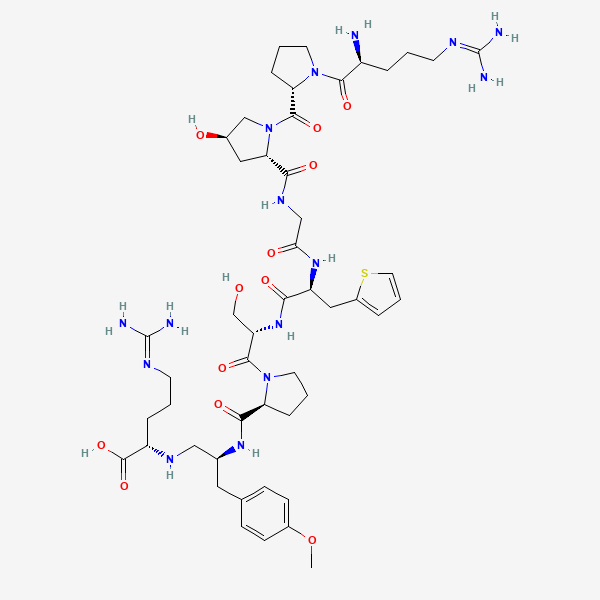
Labradimil
#1116Bradykinin B2 receptor agonist
Labradimil is a synthetic bradykinin B2 receptor agonist that has been investigated for its ability to increase the permeability of the blood-brain barrier.
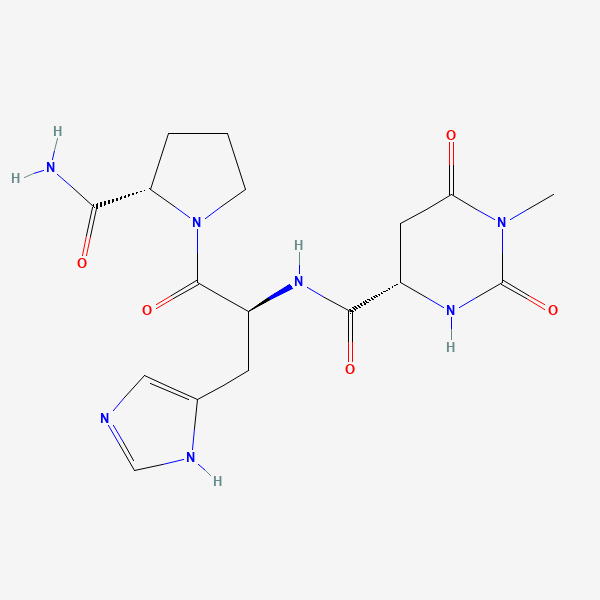
Taltirelin
#1125Thyrotropin-releasing hormone receptor agonist
Taltirelin is a synthetic thyrotropin-releasing hormone (TRH) analog that acts as an agonist for the thyrotropin-releasing hormone receptor.
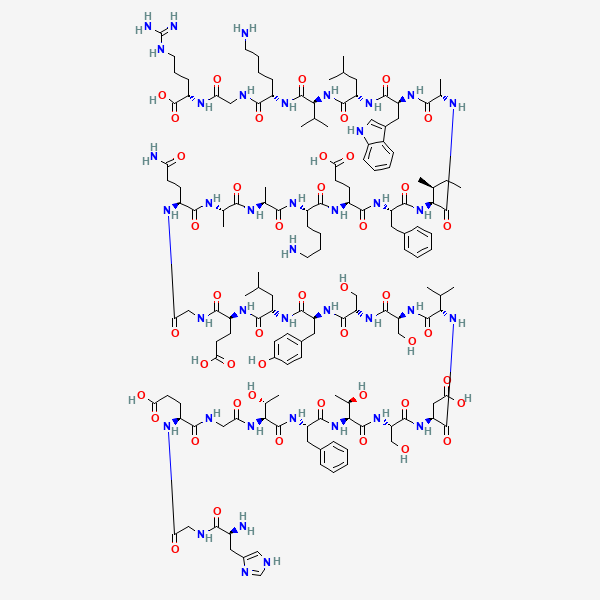
Albiglutide
#1133Glucagon-like peptide 1 receptor agonist
Albiglutide is a glucagon-like peptide 1 (GLP-1) receptor agonist used in the treatment of type 2 diabetes mellitus.
Metreleptin
#1137Leptin receptor agonist
Metreleptin is a leptin receptor agonist and a leptin analog, FDA-approved as an adjunct to diet for treating complications of leptin deficiency in patients with congenital or acquired generalized lipodystrophy.
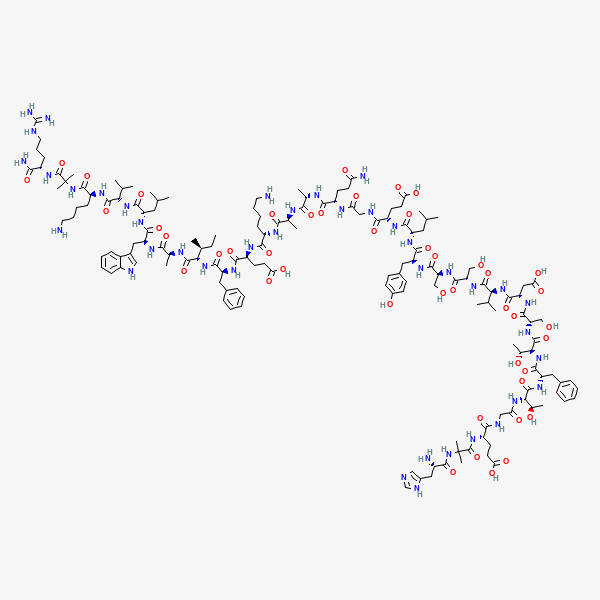
Taspoglutide
#1138Glucagon-like peptide 1 receptor agonist
Taspoglutide is a glucagon-like peptide 1 receptor agonist that was investigated for the treatment of Type 2 Diabetes Mellitus.
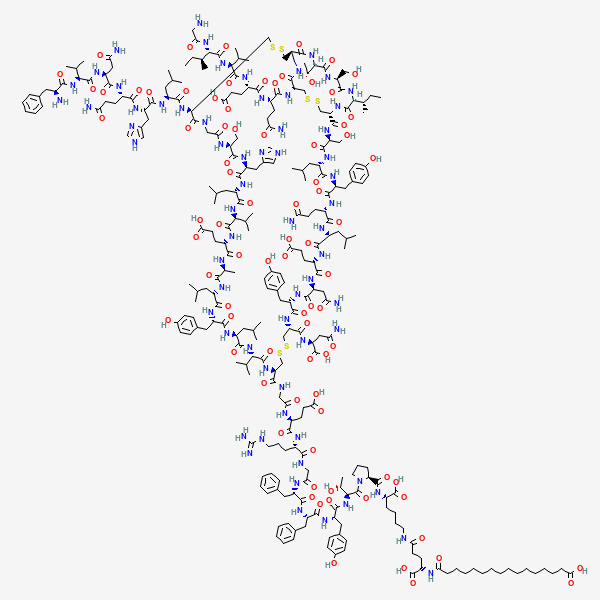
Insulin Degludec
#1140Insulin receptor agonist
Insulin Degludec is a long-acting human insulin analog and an insulin receptor agonist, FDA-approved for improving glycemic control in adults with type 2 diabetes mellitus.
Onercept
#1145TNF-alpha inhibitor
Onercept is a tumor necrosis factor-alpha (TNF-alpha) inhibitor that has been investigated for its role in inflammatory conditions.
Dulaglutide
#1155Glucagon-like peptide 1 receptor agonist
Dulaglutide, marketed as TRULICITY, is a glucagon-like peptide-1 (GLP-1) receptor agonist used to improve glycemic control and reduce cardiovascular risk in adults with type 2 diabetes mellitus.
Parathyroid Hormone
#1161Parathyroid hormone receptor agonist
Parathyroid Hormone is an 84-residue peptide that acts as a parathyroid hormone receptor agonist. It is FDA approved and marketed as Bestmade Natural Products BM67.
Trafermin
#1162Fibroblast growth factor receptor 2 agonist
Trafermin is an FDA-approved fibroblast growth factor receptor 2 agonist. It is studied for its role in tissue repair and regeneration.
Corifollitropin Alfa
#1171Follicle stimulating hormone receptor agonist
Corifollitropin alfa is a follicle stimulating hormone receptor agonist used in controlled ovarian stimulation for assisted reproduction.
Lenercept
#1175TNF-alpha inhibitor
Lenercept is a TNF-alpha inhibitor that has been investigated for its anti-inflammatory properties.
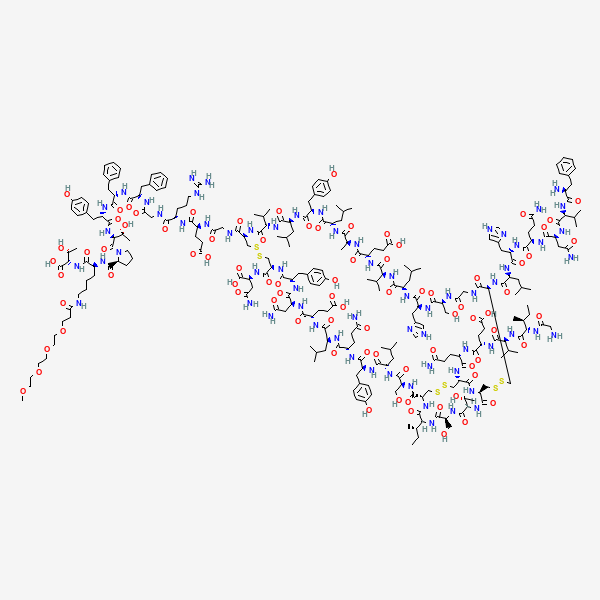
Insulin Tregopil
#1188Insulin receptor agonist
Insulin Tregopil is an oral recombinant human insulin analog that acts as an insulin receptor agonist, currently in Phase 2 clinical trials for diabetes mellitus.
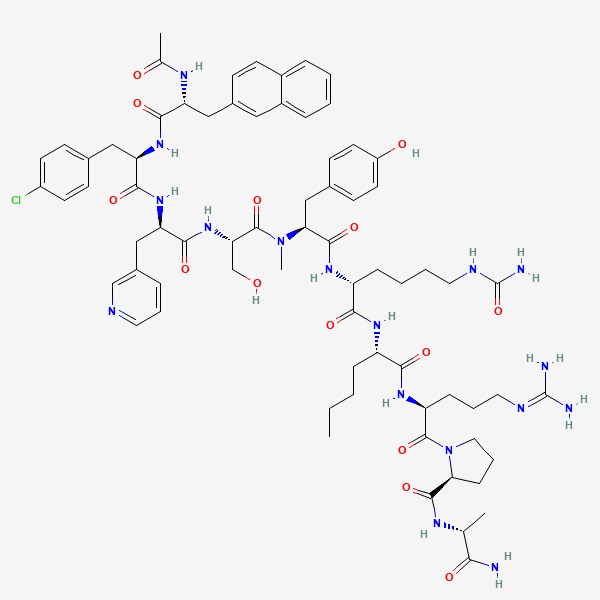
Ozarelix
#1190Gonadotropin-releasing hormone receptor antagonist
Ozarelix is a synthetic peptide and a gonadotropin-releasing hormone (GnRH) receptor antagonist.
Conbercept
#1191Vascular endothelial growth factor A inhibitor
Conbercept is a vascular endothelial growth factor (VEGF) inhibitor, primarily studied for ophthalmic conditions.
Elsiglutide
#1194Glucagon-like peptide 2 receptor agonist
Elsiglutide is a glucagon-like peptide 2 receptor agonist currently in Phase 2 clinical trials for the treatment of diarrhea.
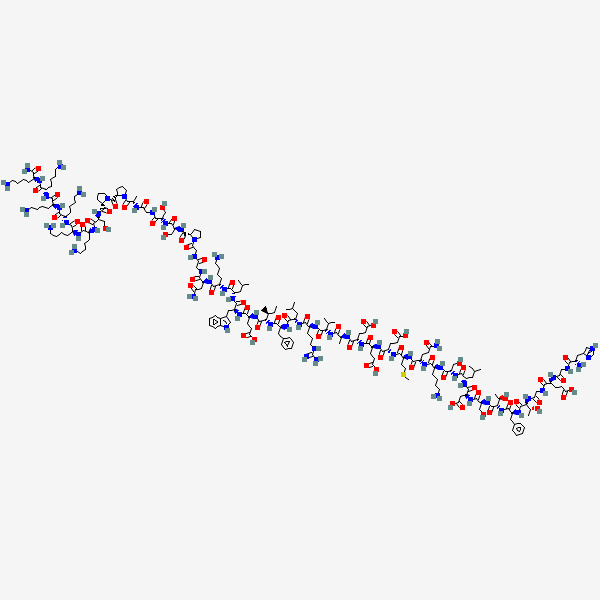
Lixisenatide
#1199Glucagon-like peptide 1 receptor agonist
Lixisenatide, also known as Adlyxin, is a glucagon-like peptide-1 (GLP-1) receptor agonist used to improve glycemic control in adults with type 2 diabetes mellitus.
Nonacog Beta Pegol
#1203Coagulation factor IX exogenous protein
Nonacog Beta Pegol is a coagulation factor IX exogenous protein approved for the treatment of Hemophilia B.
Liatermin
#1206GDNF family receptor alpha-1 agonist
Liatermin is a GDNF family receptor alpha-1 agonist currently in Phase 2 clinical trials.
Menotropins
#1213Luteinizing hormone/Choriogonadotropin receptor agonist
Menotropins, also known as Menopur, is a gonadotropin and a luteinizing hormone/choriogonadotropin receptor agonist and follicle stimulating hormone receptor agonist.
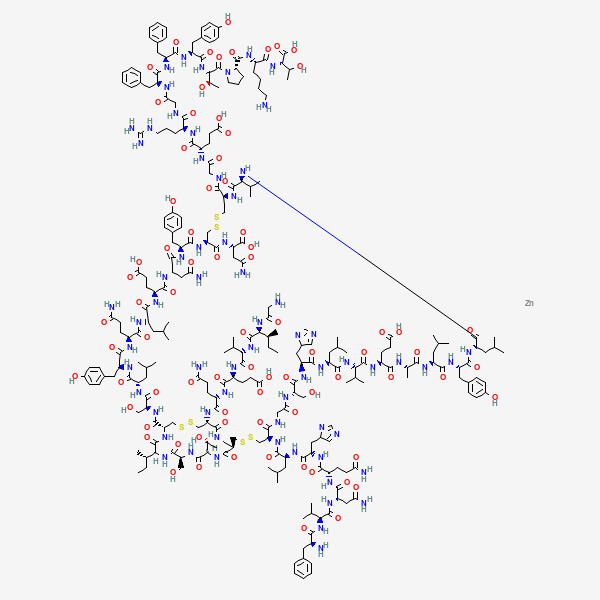
Insulin Zinc
#1218Insulin, Protamine Zinc
Insulin Zinc is an insulin receptor agonist that is FDA-approved for medical use.
Insulin Zinc, Extended
#1219Insulin receptor agonist
Insulin Zinc, Extended is an insulin receptor agonist currently in Phase 2 clinical trials.
Insulin Zinc, Prompt
#1220Insulin receptor agonist
Insulin Zinc, Prompt is an insulin receptor agonist currently in Phase 2 clinical trials.
Interferon Alfa-2a
#1224Interferon alpha/beta receptor agonist
Interferon Alfa-2a is an interferon alpha/beta receptor agonist used in the treatment of various neoplasms and viral infections.
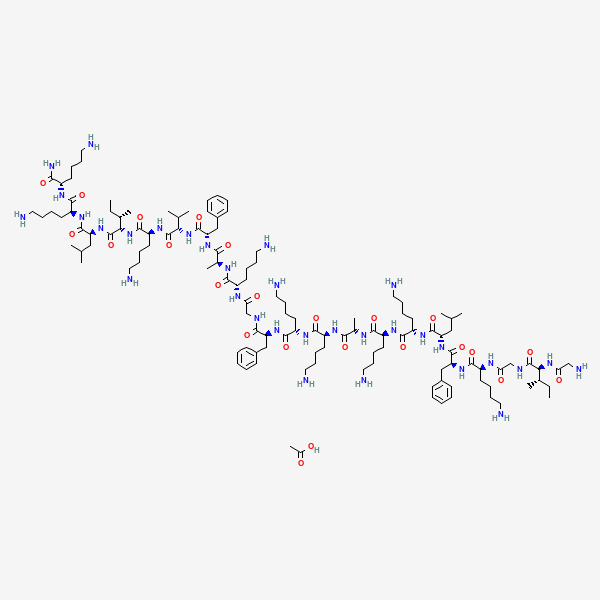
Pexiganan Acetate
#1229Cell membrane disrupting agent
Pexiganan Acetate is a cell membrane disrupting agent studied for its antimicrobial properties.
Telbermin
#1230Vascular endothelial growth factor receptor 1 and 2 (Flt-1 and KDR) agonist
Telbermin is a vascular endothelial growth factor receptor 1 and 2 (Flt-1 and KDR) agonist currently in Phase 2 clinical trials.
Insulin Peglispro
#1231Insulin receptor agonist
Insulin Peglispro is a long-acting insulin analog that acts as an insulin receptor agonist, developed for the treatment of both type 1 and type 2 diabetes mellitus.
Head-to-head comparisons
- Semaglutide vs TirzepatideA detailed, evidence-based head-to-head comparison between the leading single GLP-1 and dual GIP/GLP-1 receptor agonists.
- Tirzepatide vs RetatrutideComparing the dual GIP/GLP-1 agonist with the next-generation triple GIP/GLP-1/Glucagon agonist.
- BPC-157 vs TB-500An in-depth scientific analysis comparing Body Protection Compound 157 with Thymosin Beta-4 / TB-500.
- CJC-1295 vs SermorelinAnalyzing half-life, pulse amplification, and pituitary signaling between GHRH analogs.
- Semax vs SelankStimulatory cognitive enhancement vs anxiolytic neuroprotection: comparing the top Russian neuropeptides.