Can You Buy Peptides in Thailand? 2026 Guide to Sourcing Research Peptides in Bangkok & Online
Peptides for research in Thailand: legal status under Thai FDA rules, where to source in Bangkok, Pattaya and Phuket, customs reality for online orders, quality standards and pricing in THB.
Dr. Rebecca Martinez
Medical Researcher
"Can I buy peptides in Thailand?" is one of the most common questions we hear from researchers across Southeast Asia. The answer is more nuanced than a simple yes or no — it depends on what you are buying, from whom, and how it is shipped. This guide breaks down the legal landscape, the practical sourcing options, and the quality standards that matter in the Thai market.
The legal landscape in Thailand. Thailand regulates medicines through the Thai Food and Drug Administration (Thai FDA) under the Drug Act B.E. 2510 (1967). The critical distinction for researchers is between registered pharmaceuticals and research-use compounds. Peptide-based medications that are registered in Thailand — most notably GLP-1 receptor agonists like semaglutide and tirzepatide, which are approved for diabetes treatment — are classified as prescription medicines. Possession or supply outside a registered pharmacy or licensed clinic pathway is restricted, and importing them without the appropriate authorization can attract penalties under Thai customs and drug law.
Unmodified research-grade peptides supplied strictly for laboratory and in-vitro research purposes occupy a different space in practice. This is the same "research use only" framework used by suppliers worldwide. The distinction that matters: a vial labeled and sold as a research chemical for laboratory study is not the same legal object as a prescription medicine dispensed for human use. Thai authorities primarily target clinical supply chains, counterfeit pharmaceuticals, and unlicensed clinics — not individual researchers importing small quantities of labeled research compounds.
Where to buy peptides in Bangkok. Bangkok's research and aesthetics ecosystem has grown rapidly, and there are three main channels. Licensed clinics and compounding pharmacies along Sukhumvit and Thonglor work with injectable peptides; for registered products like semaglutide these operate within Thai FDA oversight and require a prescription pathway, with prices carrying a significant markup over international research pricing. University-linked research suppliers — institutions like Chulalongkorn, Mahidol, and Kasetsart maintain relationships with analytical suppliers — offer the cleanest route for affiliated researchers through institutional purchase orders, proper documentation, and batch traceability. Online suppliers with Thai delivery are where most independent researchers land, with shipping time of 3–7 days from US or European warehouses, customs handling, and discreet packaging with reshipment guarantees being the key differentiators.
The customs reality for online orders. Thailand Customs screens international parcels, and pharmaceutical-looking shipments receive extra scrutiny. In practice, small orders of lyophilized research peptides in labeled vials typically pass through, but there are no guarantees. Practical tips from experienced researchers: order from suppliers who label shipments accurately as research chemicals and declare low-value research samples; avoid bulk orders and spread risk across multiple small shipments; use suppliers with an established track record of Thai deliveries confirmed in forum reports; and factor in 7% VAT plus potential import duties on orders above the de minimis threshold.
Quality standards — the real risk in Thailand. The genuine risk in the Thai market is not legal — it is counterfeit and adulterated product. Thailand has a well-documented problem with fake GLP-1 products, including "semaglutide" vials that contain nothing but bacteriostatic water, and gray-market clinics selling diluted or mislabeled peptides. Non-negotiable quality checks: third-party COA — a Certificate of Analysis from an independent lab with HPLC purity (expect >99%), mass spec confirmation, and the actual test date; batch tracing, with the COA referencing the specific batch number on your vial; peptide sequence verification, with the exact sequence for compounds like BPC-157 and mass spec molecular weight confirmation for GLP-1s; and storage integrity, since lyophilized peptides require cold-chain shipping to Thailand's climate — reputable suppliers ship with ice packs and insulated packaging.
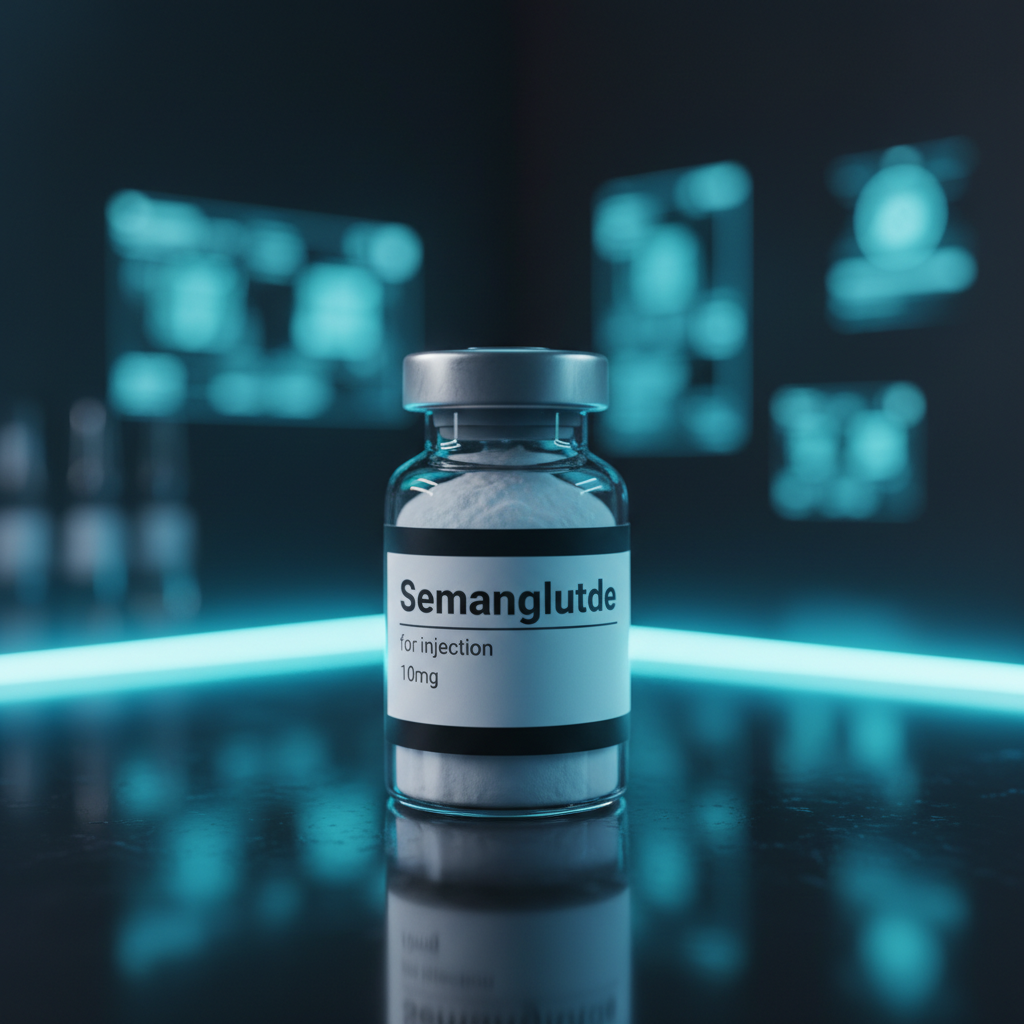
Pricing in Thailand (2026). Expect a Thailand-specific premium over US domestic pricing, reflecting shipping and customs overhead. Tirzepatide and semaglutide run THB 6,000–12,000 per 10mg vial (versus $165–$189 in the US). BPC-157 and TB-500 run THB 1,500–3,500 per vial. GHK-Cu runs THB 1,200–2,500 per 50mg vial. CJC-1295 plus Ipamorelin combos run THB 2,500–5,000. Local clinic pricing runs 2–4 times these figures, and if a price looks dramatically lower than these ranges, it is almost certainly counterfeit or underdosed.
Best practices for Thai researchers. Verify supplier credentials and request batch-specific COAs before ordering. Keep procurement records — documentation protects you if customs asks questions. Confirm the supplier ships to Thailand and has a reshipment or replacement policy. Never buy from unlicensed clinics offering "medical-grade" peptides at suspicious prices. And remember that peptides are for research purposes only — reconstitution, dosing, and administration guidance belongs in a clinical setting, not a sourcing forum.
Sourcing options. PeptidePlaza offers worldwide shipping including Thailand, with discreet packaging and cryptocurrency payment options for researchers who prefer financial privacy. The vendor directory on PeptidePlaza.com also lists suppliers vetted for COA transparency, so you can compare options before committing to an order.
The Thai market is underserved but growing. With the right supplier, proper documentation, and realistic expectations about customs and pricing, sourcing research peptides in Thailand is entirely feasible — just do the due diligence first.
Related Peptide Profiles
Explore the full compound profiles for the peptides discussed in this article.
Related Guides
Continue reading related research and sourcing guides.
Explore the Peptide Encyclopedia
Browse compound profiles, amino acid sequences, mechanisms of action, and our curated vendor directory.