How to Read a Peptide COA: HPLC, Mass Spec & Red Flags Explained
Not all Certificates of Analysis are equal. Learn how to interpret HPLC chromatograms, mass spectrometry data, and spot fake or recycled COAs before they cost you a study.
Research Writer
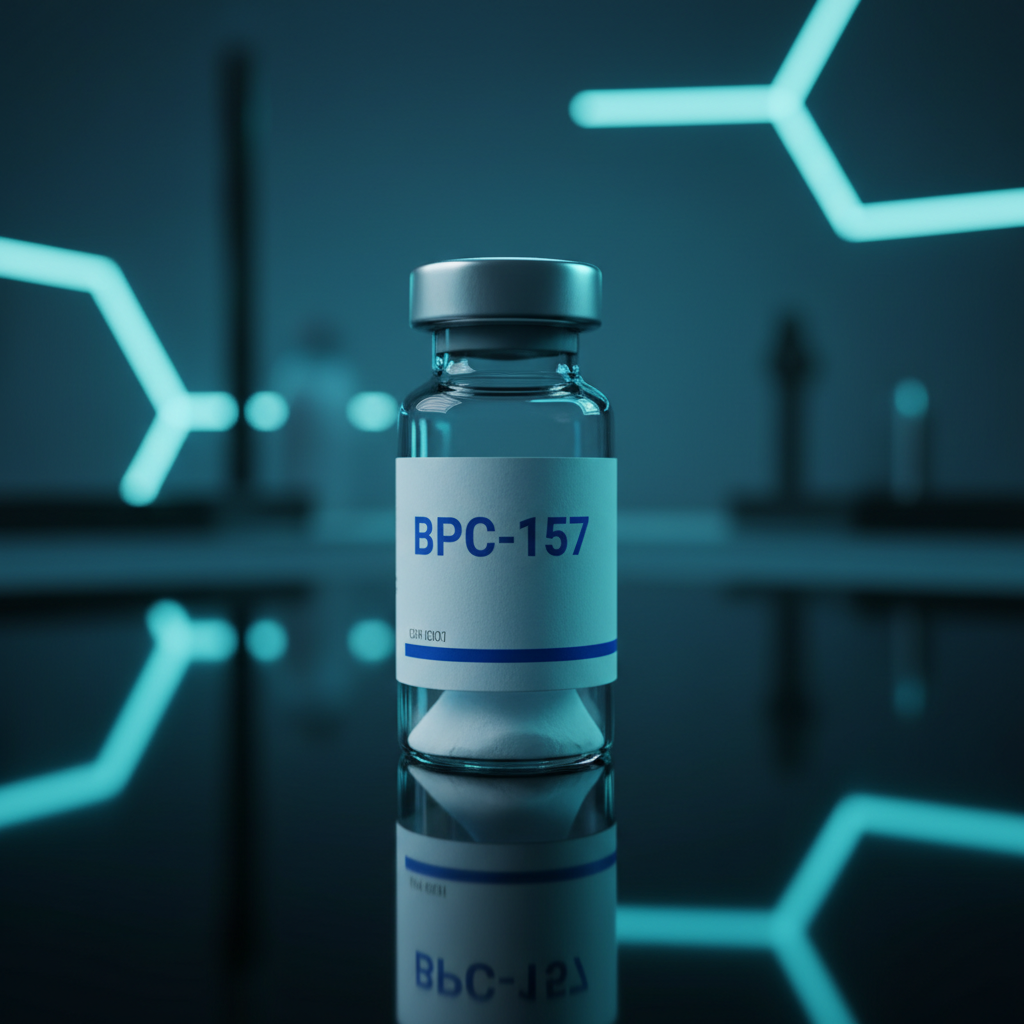
A Certificate of Analysis (COA) is the primary document researchers use to verify peptide quality. But not all COAs are created equal — and the ability to critically interpret one separates rigorous research from wasted resources.
HPLC (High-Performance Liquid Chromatography) is the gold standard for purity assessment. A proper HPLC result shows a chromatogram — a graph of detector response over time — with a dominant peak representing your peptide and smaller peaks for impurities. The purity percentage is calculated as the area of the main peak divided by total peak area. Research-grade peptides should show ≥98% purity, with top-tier suppliers delivering ≥99.5%.
What to look for in an HPLC result: the report should include the column type, mobile phase composition, detection wavelength (usually 214–220 nm for peptide bonds), run time, and retention time of the main peak. A vague report that simply states "98.7% purity" with no chromatogram attached is unverifiable — and a significant red flag.
Mass spectrometry (MS) confirms molecular identity. The molecular weight reported should match the theoretical molecular weight of the peptide to within ±1 Da (or within the instrument's error tolerance for larger peptides). For example, semaglutide has a molecular weight of 4113.58 g/mol — any result significantly deviating from this indicates either the wrong compound, a truncated sequence, or degradation.
Electrospray ionization (ESI) mass spectrometry is the most common method used for peptides. The spectrum shows multiply-charged ions (e.g., [M+2H]²⁺, [M+3H]³⁺) rather than a single parent ion. Calculating back from any observed charge state should yield a molecular weight consistent with the peptide. If a supplier only provides a single-charge scan with no annotation, treat this with scepticism.
Red flags to watch for: First, batch number mismatches — the batch number on the COA must match the vial label. If a supplier cannot confirm the batch number for your specific lot, the COA is not meaningful. Second, recycled COAs — some unscrupulous suppliers reuse the same COA document across multiple products or batches, changing only the product name. A COA dated two years ago for a "freshly synthesized" batch is a serious concern.
Third, generic lab names without verifiable addresses. Independent labs like Janoshik Analytical publish their reports in a recognizable format; you can cross-reference a report number directly. If a COA claims testing by an "independent analytical lab" with no name, web presence, or contact information, it is unverifiable.
Fourth, suspiciously round purity numbers. Authentic HPLC results produce specific values like "98.7%" or "99.4%" — not exactly "99%" or "100%". A round number on a COA is not automatically fraudulent, but deserves scrutiny.
Endotoxin testing is a separate but important parameter for research applications involving cell culture or animal models. Bacterial endotoxins (LPSs) are potent immune activators that will confound virtually any biological assay. LAL (Limulus Amebocyte Lysate) testing quantifies endotoxin levels in EU/mL — reputable suppliers include this data routinely.
Water content by Karl Fischer titration is another parameter sometimes included. Peptides are hydroscopic (attract water) and lyophilized powders may contain 2–10% moisture by weight. High water content reduces effective dose — this matters for precise dosing protocols.
Building a supplier relationship based on COA transparency is one of the most important things a peptide researcher can do. Ask for batch-specific COAs before ordering. Ask for the lab contact to verify. If a supplier is unwilling or unable to provide this, that itself is the most important data point you will receive.
Related compound profiles
Full compound profiles for the peptides discussed in this article.
Related guides
Continue with related research guides.
Research tools
129 compound profiles — sequences, mechanisms and cited studies.
Browse the Peptide Encyclopedia →