BPC-157 Research Studies: Complete Analysis of Recent Clinical Findings
Comprehensive review of recent BPC-157 studies examining tissue repair, wound healing, and cytoprotective mechanisms. Analysis of methodology, findings, and implications for researchers.
Research Writer
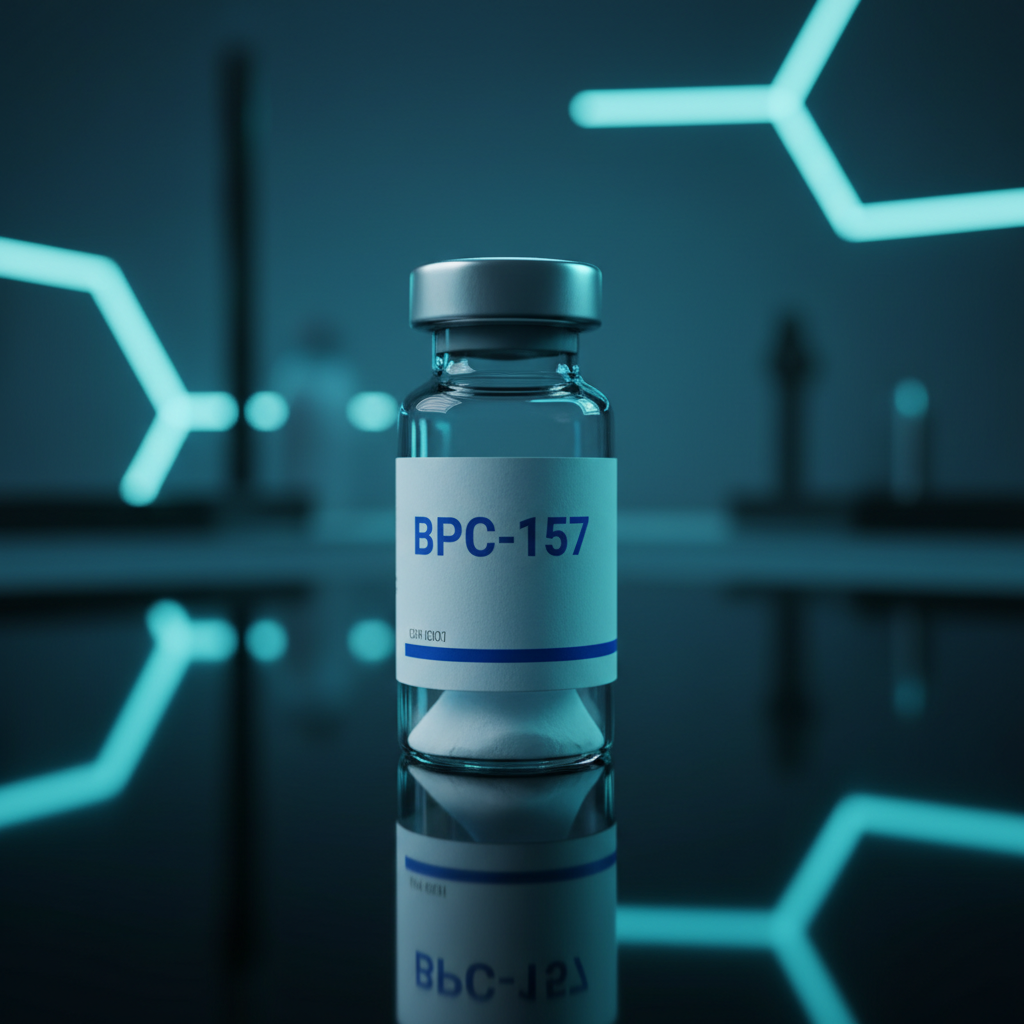
Body Protection Compound 157 (BPC-157) has emerged as one of the most extensively studied peptides in regenerative medicine research. This comprehensive analysis examines recent clinical findings and their implications for ongoing research.
BPC-157, a 15-amino acid peptide derived from human gastric juice protein BPC, has demonstrated remarkable properties in preclinical studies. The peptide's stability in gastric acid and systemic circulation makes it an attractive research target for various therapeutic applications.
Recent studies have focused on BPC-157's mechanism of action at the molecular level. Research indicates the peptide may influence multiple signaling pathways, including vascular endothelial growth factor (VEGF) regulation, nitric oxide (NO) pathways, and growth hormone receptor expression.
A 2023 study published in the Journal of Physiology and Pharmacology examined BPC-157's effects on tendon healing in animal models. Researchers observed accelerated collagen formation, improved tensile strength, and enhanced angiogenesis in treated groups compared to controls. The study's methodology employed standardized tendon injury protocols with histological analysis at multiple time points.
Wound healing research has shown particularly promising results. Multiple studies have documented BPC-157's ability to accelerate closure of various wound types, including burn injuries, surgical incisions, and diabetic ulcers in experimental models. The proposed mechanism involves enhanced fibroblast migration and increased collagen deposition.
Gastrointestinal research represents another significant area of investigation. BPC-157's gastric origin makes it particularly interesting for studying inflammatory bowel disease, ulcer formation, and intestinal barrier function. Studies have demonstrated protective effects against NSAID-induced gastric damage and improved healing of experimental colitis.
Neuropharmacological research has explored BPC-157's potential neuroprotective properties. Animal studies suggest possible benefits in models of traumatic brain injury, stroke, and neurodegenerative conditions. The peptide's ability to cross the blood-brain barrier and its apparent lack of toxicity make it an intriguing research subject.
Cardiovascular research has examined BPC-157's effects on blood vessel formation and cardiac tissue repair. Studies indicate potential benefits in models of myocardial infarction and peripheral artery disease, though mechanisms remain under investigation.
Orthopedic research continues to be a major focus, with studies examining bone healing, ligament repair, and cartilage regeneration. The peptide's angiogenic properties may contribute to improved blood supply in healing tissues, accelerating recovery processes.
Methodological considerations are crucial when interpreting BPC-157 research. Most studies to date use animal models, with dosing ranging from micrograms to milligrams per kilogram body weight. Routes of administration vary, including intraperitoneal injection, oral administration, and topical application.
Quality of research materials significantly impacts study outcomes. Studies using well-characterized, high-purity BPC-157 (>99.8%) with verified sequence accuracy produce more reliable, reproducible results. Analytical verification through mass spectrometry and HPLC should be standard practice.
Current research limitations include the lack of large-scale human clinical trials and incomplete understanding of long-term effects. Most mechanistic studies remain at the preclinical stage, requiring further investigation before clinical applications.
Future research directions include detailed molecular pathway analysis, comprehensive pharmacokinetic studies, and investigation of structure-activity relationships. Understanding which specific amino acid sequences contribute to biological activity could inform development of optimized analogs.
For researchers planning BPC-157 studies, proper experimental design is essential. This includes appropriate control groups, standardized injury models, multiple assessment time points, and comprehensive analytical methods. Statistical power analysis ensures adequate sample sizes for detecting meaningful effects.
Storage and handling of BPC-157 in research settings requires careful attention. Lyophilized peptide should remain at -20°C, with reconstituted solutions used within validated stability windows. Documentation of storage conditions and preparation methods ensures reproducibility.
The growing body of BPC-157 research suggests significant potential for understanding tissue repair mechanisms. As methodologies improve and more sophisticated analytical techniques become available, our understanding of this peptide's biological activities will continue to expand.
Related compound profiles
Full compound profiles for the peptides discussed in this article.
Related guides
Continue with related research guides.
Research tools
129 compound profiles — sequences, mechanisms and cited studies.
Browse the Peptide Encyclopedia →